


Exploring K9 Training Institute: Training Methods, Benefits, and Results

Explore how a K9 Training Institute helps dogs develop obedience, discipline, and specialized skills. Learn about effective K9 training approaches, their main advantages, essential techniques used by experts, and the improvements you may see when selecting a suitable training program for your dog.
Table of Contents
Introduction to K9 Training Institute
A properly trained dog can offer much more than friendship, providing valuable skills, dependable behavior, and support in everyday life. With the right guidance, dogs can learn to follow commands, improve their behavior, assist people with disabilities, and support police or security teams. A professional K9 training center builds these skills through organized training sessions, consistent exercises, and effective teamwork between dogs and their handlers.
The term K9 is commonly used for working dogs, particularly those trained for police, military, security, and detection tasks. However, many professional training programs also help ordinary pet owners manage barking, jumping, leash pulling, and other behavior problems. The goal is to help dogs become more confident, responsive, and comfortable in different environments.
When exploring a training institute, it is important to understand its teaching methods, available programs, trainer experience, and expected results. Not every dog needs the same training, so choosing a program that fits your dog’s personality and your goals can make a significant difference.
What Is a K9 Training Institute?

A K9 training institute is a professional facility or training service that teaches dogs specific skills using planned exercises and behavior techniques. Depending on the organization, programs may focus on family pets, professional dog handlers, police dogs, or specialized working dogs.
Some institutes provide basic obedience classes, while others offer advanced scent detection, tracking, search-and-rescue preparation, and protection-related training. For example, the Police Dog Centre India describes its work in modern working-dog training and operational skills.
A good institute starts by assessing the dog’s age, health, temperament, learning history, and behavior. Trainers create personalized training programs based on each dog’s behavior, abilities, and learning pace instead of using the same approach for every dog. This personalized approach helps create realistic training goals and supports the dog’s welfare throughout the process.
Types of K9 Training Programs
K9 institutes may offer several training options depending on their facilities and expertise.
- Basic obedience: Teaches commands such as sit, stay, come, and heel.
- Behavior training: Addresses jumping, excessive barking, fear, and leash pulling.
- Scent detection: Develops a dog’s ability to identify particular odors.
- Tracking and Search: Teaches selected dogs to follow scent trails and find missing individuals in different environments.
- Professional handler training: Teaches handlers to communicate with and manage working dogs.
Before enrolling, confirm that the institute actually offers the specific program you need. A center specializing in family pets may not provide the specialist facilities required for police or detection work.
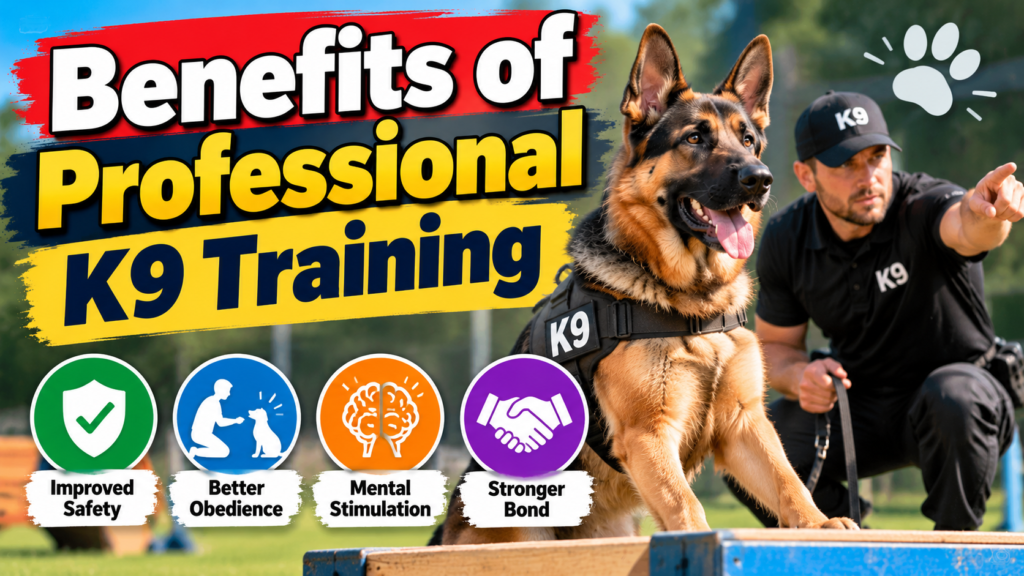
Benefits of Professional K9 Training
Professional training can improve the relationship between dogs and their owners while developing practical everyday skills. One major benefit is clearer communication. When a dog understands a command and the owner responds consistently, daily activities such as walking, feeding, and meeting visitors often become easier.
Training also provides mental stimulation. Dogs need opportunities to explore, solve problems, and learn new behaviors, not just physical exercise. Short, engaging training sessions can help satisfy these needs and encourage appropriate behavior.
Other benefits may include:
- Better response to basic commands.
- Improved leash manners and impulse control.
- Greater confidence in suitable new environments.
- Stronger cooperation between dogs and handlers.
- Preparation for appropriate working or assistance roles.
However, results depend on the dog’s needs, the trainer’s approach, and practice outside formal sessions. Training is not a guaranteed solution to every behavior problem, and progress may take time.
Popular K9 Training Methods
Professional dog training combines clear communication, repetition, motivation, and appropriate rewards. The best method depends on the dog’s individual needs, the behavior being taught, and the environment in which the skill will be used.
Positive Reinforcement Training
Positive reinforcement helps dogs learn desired actions by rewarding them with treats, verbal praise, or toys, making them more likely to repeat those behaviors. For instance, when a dog sits after hearing a command, the trainer immediately rewards the correct response.
This approach allows dogs to recognize which behaviors earn rewards and encourages them to repeat those actions in the future. It can be useful for puppies learning basic commands as well as adult dogs developing new skills. Giving rewards at the right moment and maintaining consistency helps dogs clearly associate their actions with positive feedback.
A review published in 2026 highlights trainers’ views on effective dog training techniques, animal welfare, and the value of reward-based learning methods. The evidence reviewed generally supports reward-based training as an effective option associated with fewer welfare concerns than aversive methods.
Obedience and Behavior Training
Obedience training teaches dogs to respond reliably to verbal commands and hand signals. Common exercises include sitting, staying in place, walking without pulling, and returning when called. These skills help owners manage their dogs more safely at home and in public spaces.
Behavior training addresses specific challenges, including fear, reactivity, separation-related distress, and destructive habits. Trainers should identify the underlying reasons for a dog’s behavior before deciding how to address or correct it. For example, a dog that barks at strangers may be frightened rather than deliberately disobedient.
Specialized Working Dog Training
Advanced K9 training equips selected dogs with the skills and discipline needed to perform specialized tasks under proper handler supervision. Police and security dogs may learn tracking, controlled searching, scent detection, and reliable responses to their handlers’ signals.
Training often progresses from simple exercises to realistic practice environments. For instance, a detection dog must identify a specific scent among other odors and reliably signal its discovery to the handler. Trainers must also prevent accidental cues from influencing the dog’s response.
The Indian Ministry of Home Affairs’ Police K9 Journal discusses scent learning, reinforcement, handler communication, and scenario-based training as important parts of developing working dogs.
What to Expect During Training
Most professional programs begin with a consultation or assessment. The trainer asks about the dog’s background, routine, health, previous training, and the behaviors the owner wants to improve. This initial stage helps establish suitable goals and identify possible challenges.
The next stage introduces basic skills and builds them through repetition. As the dog improves, the trainer gradually adds distractions and practices commands in different settings. A dog that follows a command in a quiet room may need additional practice before responding reliably in a busy park.
Owners should also expect to participate. Even when a dog attends training sessions independently, the owner needs to learn the same commands, rewards, and routines. Consistent handling at home is essential for maintaining progress after the program ends.
Training Costs and Duration
The cost of K9 training varies according to the institute, location, trainer qualifications, program length, and level of specialization. Group obedience classes are usually more affordable than one-on-one behavior sessions or specialized training programs for working dogs.
The following table provides a general comparison of program types rather than verified prices for a particular institute.
Training program | Main purpose | Typical format |
Basic obedience | Everyday commands and manners | Group or private sessions |
Behavior training | Addressing unwanted behaviors | Individual assessment and follow-up |
Puppy training | Socialization and early learning | Short, progressive classes |
Advanced K9 training | Detection, tracking, or specialist skills | Structured practical exercises |
Handler training | Building effective dog-handler teamwork | Practical lessons and assessments |
The duration depends on the skills being taught. Some basic commands may develop over several sessions, while behavior modification and specialist working-dog training can require months or longer.
Ask for a written breakdown of fees, session frequency, equipment costs, and follow-up services. The best training program is not always the costliest or longest; choose one that suits your dog’s needs and delivers safe, effective results.
How to Choose the Right K9 Training Institute
Choosing an institute requires more than comparing advertisements or selecting the cheapest available package. Look for qualified trainers who can explain their methods clearly, assess your dog individually, and set realistic expectations.
Ask about the trainer’s experience with your dog’s particular needs. Someone who specializes in puppy obedience may not be the right choice for a dog with serious fear or aggression. Likewise, professional working-dog preparation requires expertise beyond ordinary pet training.
Check whether the facility is clean, safe, and suitable for the activities offered. If possible, observe a session and notice how trainers respond when dogs struggle. A reliable training institute demonstrates professionalism through calm guidance, close monitoring, and an understanding of dogs’ body language and signals.
Be cautious of providers who promise instant results or guarantee that every behavior problem will disappear. Before enrolling, make sure you understand the training plan, complete fees, cancellation policy, and any extra expenses to avoid unexpected costs.
Measuring Training Results
The success of a K9 training program should be measured through observable improvements rather than promises. A dog may initially learn to sit in a quiet room, but genuine progress means responding to the command in different environments with appropriate distractions.
Trainers can track progress by recording how consistently the dog follows commands, how quickly it responds, and whether unwanted behaviors become less frequent. For working dogs, assessments may also include scent accuracy, search performance, and cooperation with the handler.
Owners should review progress regularly with the trainer. If a dog struggles with a particular exercise, the training plan may need adjustment. Consistent practice, realistic goals, and regular feedback are more useful than expecting immediate perfection.
The Role of Handlers in K9 Training
Dog handlers play an important role in helping trained dogs develop reliable skills and good behavior. At a K9 Training Institute, handlers learn how to give clear commands, recognize canine body language, and reward the correct responses. Their communication skills help dogs understand what is expected during different activities. Regular practice at home or in the field also helps maintain the progress achieved during training sessions. A strong relationship between the dog and handler creates better cooperation and supports long-term training success.
Also Read
Exploring Frey: The Ultimate Guide for Curious Travelers
Exploring Timeless Clothing Designs and Quality Materials at Gentle Herd
Simple Ways to Get More Value From Savvy Car Insurance Savings
Building a Fast and User-Friendly WordPress Site with MH Themes
Why Tech Enthusiasts Are Exploring Deals on GeekBuying
Importance of Socialization in K9 Training
Socialization helps dogs become more comfortable around different people, animals, sounds, and environments. A suitable training program gradually introduces dogs to new experiences while allowing them to remain relaxed and confident. This process can help reduce fear-related reactions and improve their ability to respond to commands in unfamiliar situations. Trainers should consider each dog’s temperament and introduce new experiences at a comfortable pace. Proper socialization is particularly useful for dogs expected to work in public places or busy environments.
Essential Skills Every K9 Dog Should Learn
K9 training involves several basic skills that support safety, obedience, and communication. Dogs often begin by learning commands such as sit, stay, come, and heel before progressing to more advanced exercises. They may also practice walking calmly on a leash, waiting patiently, and responding to their handler despite distractions. Specialized working dogs require additional skills depending on their assigned duties, such as tracking scents or searching designated areas. Building these abilities step by step gives trainers a clear way to evaluate progress and identify areas that need more practice.
How Technology Supports Modern K9 Training
Modern training programs can use technology to monitor performance and organize training activities. Video recordings allow trainers and handlers to review a dog’s movements, responses, and behavior during exercises. Digital records can also help track completed sessions, identify recurring difficulties, and measure improvements over time. In specialized working-dog programs, appropriate detection equipment and controlled training setups can support realistic practice. However, technology works best as a supporting tool rather than a replacement for experienced trainers, careful observation, and regular interaction with dogs.
Common Challenges and Solutions
Training can sometimes feel frustrating, especially when a dog appears to forget a command it performed correctly the previous day. This does not necessarily mean the training has failed. Dogs may struggle when the environment changes, distractions increase, or instructions are unclear.
One common challenge is inconsistency between trainers and owners. If one person rewards a behavior while another responds differently, the dog may find it harder to understand expectations. Using the same commands and agreed training approach can help resolve this problem.
Another challenge is expecting too much too soon. Breaking difficult skills into smaller steps allows the dog to build confidence gradually. Short sessions, suitable rewards, and regular breaks can also help maintain engagement.
If a dog displays severe fear, aggression, or signs of distress, avoid forcing it into difficult situations. Consult a qualified professional who can assess the behavior and recommend an appropriate plan.
Conclusion
Exploring a K9 training institute can help dog owners and professional handlers understand how structured training improves canine behavior, communication, and practical skills. From basic obedience to specialized detection and tracking, different programs serve different purposes.
Positive reinforcement, consistent practice, personalized instruction, and responsible handling are important elements of effective training. Before choosing an institute, compare its experience, methods, facilities, costs, and follow-up support.
Ultimately, successful training is not just about teaching a dog to follow commands. It is about developing a reliable partnership built on trust, clear communication, and mutual understanding.
Frequently Asked Questions
A K9 training institute is a professional training facility or service that teaches dogs obedience, behavior management, and specialized skills. Some institutes focus on family pets, while others prepare dogs for police, security, detection, or search-and-rescue roles.
Basic obedience may develop over several sessions, while advanced working-dog training and complex behavior modification can take months or longer. The timeline depends on the dog's learning pace, the training goals, and the consistency of practice.
Many breeds can learn obedience and useful everyday behaviors. However, specialized work depends on individual temperament, health, motivation, and suitability for the task, rather than breed alone.
Reward-based training is a widely recommended approach that encourages desirable behavior through treats, praise, or play. The training plan should be adapted to the individual dog, with professional guidance for serious behavior concerns.
Check trainer qualifications, experience, training methods, facilities, fees, and customer feedback. Ask for an initial assessment and realistic training goals before enrolling, and avoid providers who promise guaranteed results for every dog.
Table of Contents
Popular Posts

-
 Affordable Technical SEO Audit for Small Business: A Complete Guide26 Jun 2025 Blog
-
 How to Get an Affordable Technical SEO Audit for Small Business27 Jun 2025 Blog
-
 Local SEO Audit Checklist for Startups: A Beginner’s Guide28 Jun 2025 Blog
-
 The Ultimate Local SEO Audit Checklist for Startups28 Jun 2025 Blog
-
 Top On-Page SEO Audit Steps for Service Websites Every Business Should Know29 Jun 2025 Blog
-
 The Impact of On-Page SEO Audit Steps for Service Websites on UX01 Jul 2025 Blog
-
 Technical SEO for WordPress: The Ultimate Beginner’s Guide01 Jul 2025 Blog
-
 Technical Mobile SEO Audit Tips for Developers02 Jul 2025 Blog
Related Post