
Olympus Buying Guide: How to Choose the Right Camera and Lens

Choosing a camera can feel confusing, especially when you see many models with different features, prices, and lens options. If you are interested in Olympus cameras, you are already looking at a system known for compact design, strong image stabilization, and excellent travel-friendly performance. Olympus cameras are now sold under the OM SYSTEMbrand, which continues the Micro Four Thirds camera system with new models and lenses.
A good camera is not only about megapixels or expensive equipment. The right camera should match your photography style. A beginner who wants family photos needs something different from a wildlife photographer who spends hours outdoors. Similarly, a travel photographer may prefer a lightweight setup instead of carrying a heavy professional camera bag.
This Olympus buying guide will help you understand camera bodies, lens choices, important features, and how to select the perfect setup according to your photography goals.
Table of Contents
Understanding Olympus Cameras and OM System
Olympus built a strong reputation by creating small and powerful cameras based on the Micro Four Thirds system. After Olympus transferred its camera business, the brand continued as OM SYSTEM, maintaining compatibility with many Olympus lenses and accessories.
One of the biggest advantages of this system is size. Compared with many full-frame cameras, Olympus and OM SYSTEM cameras are much easier to carry. This makes them attractive for travelers, hikers, street photographers, and wildlife enthusiasts.
The smaller sensor does not mean poor image quality. Modern Olympus cameras use advanced processors, strong stabilization, and smart computational photography features to produce impressive results. For instance, the OM-1 Mark II has strong stabilization capabilities, high-speed shooting, and sophisticated focusing for outdoor photography.
Why Olympus Cameras Are Popular
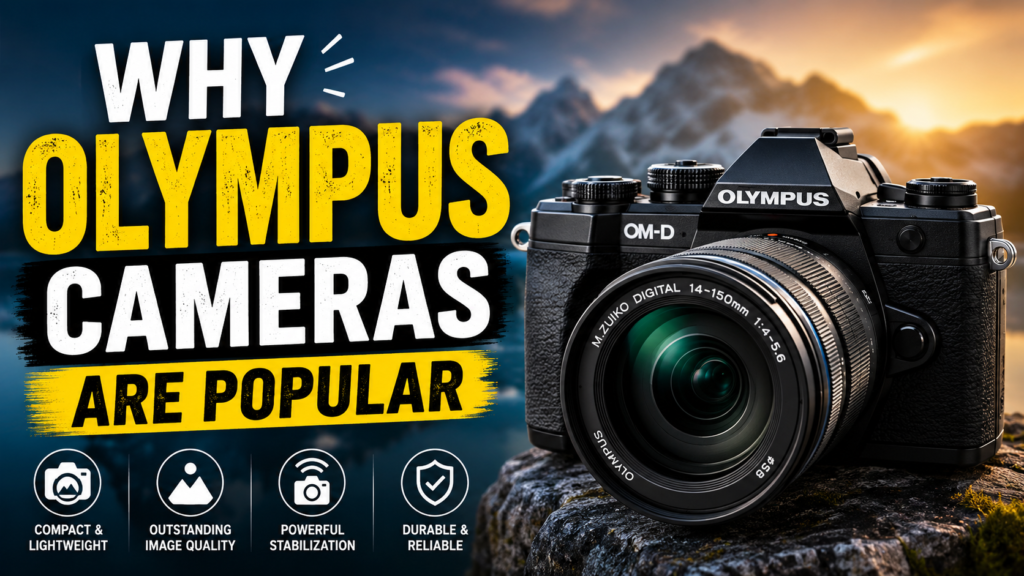
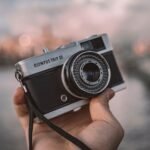
Olympus cameras are popular because they offer:
- Lightweight and compact camera bodies
- Excellent in-body image stabilization
- Weather-resistant designs
- Affordable lens options
- Strong macro and wildlife photography performance
- Easy portability for travel
Selecting the Ideal Olympus Camera for Your Requirements
Before buying an Olympus camera, think about your photography purpose. Ask yourself:
- Are you a beginner?
- Do you travel frequently?
- Do you shoot wildlife?
- Do you create videos?
- Do you need professional-level performance?
Your answers will help you choose the correct camera model.
Best Olympus Cameras for Beginners
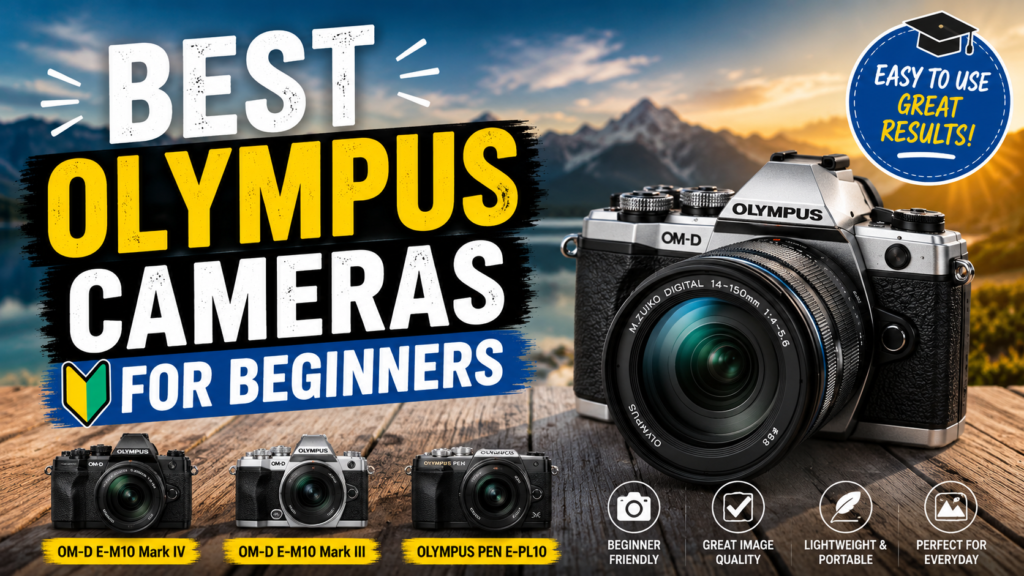
Beginners usually need a camera that is simple, affordable, and easy to learn. A model like the OM-D E-M10 series is a good starting point because it provides interchangeable lenses, creative controls, and a compact body.
This type of camera is suitable for:
- Family photography
- Portraits
- Everyday photography
- Learning manual camera settings
Best Olympus Cameras for Travel and Wildlife
Travel photographers usually want a camera that is powerful but easy to carry. Olympus cameras are excellent for this purpose because Micro Four Thirds lenses are smaller and lighter.
For wildlife photography, models like the OM-1 Mark II are designed for fast action. Features such as AI subject detection, high-speed shooting, and advanced stabilization make them useful for birds and outdoor subjects.
A lightweight wildlife setup allows photographers to walk longer distances without feeling exhausted.
Important Features to Consider Before Buying
Sensor Size and Image Quality
Olympus cameras use a Micro Four Thirds sensor, which is smaller than APS-C and full-frame sensors. However, the advantage is a smaller camera body and smaller lenses.
For normal photography, travel, social media content, and many professional applications, Olympus image quality is more than sufficient.
The sensor size mainly becomes important when shooting:
- Very low-light scenes
- Extremely high ISO images
- Large commercial prints
For everyday photographers, portability often matters more than having the largest sensor.
Stabilization and Weather Protection
One of the biggest strengths of Olympus cameras is image stabilization.
Strong stabilization helps you capture sharper photos in low light without always needing a tripod. It is especially useful for:
- Night photography
- Hiking
- Street photography
- Video recording
Many OM SYSTEM cameras include advanced stabilization systems. The OM-1 Mark II, for example, features high-level stabilization technology for demanding outdoor shooting.
Weather protection is another advantage. Many Olympus cameras are designed for outdoor use, making them suitable for rain, dust, and challenging environments.
How to Choose the Right Olympus Lens
Choosing the correct lens is just as important as selecting the camera body. A great camera with the wrong lens may limit your creativity.
The best lens depends on what you photograph.
Prime Lenses vs Zoom Lenses
Prime Lenses
Prime lenses have a fixed focal length. They are usually:
- Smaller
- Sharper
- Better in low light
They are great for:
- Portrait photography
- Street photography
- Creative photography
Zoom Lenses
Zoom lenses allow you to change focal length without changing lenses.
They are useful for:
- Travel
- Wildlife
- Events
- Everyday photography
For beginners, a zoom lens is often the easiest option because it provides more flexibility.
Advantages of Olympus Cameras
Compact and Lightweight Design
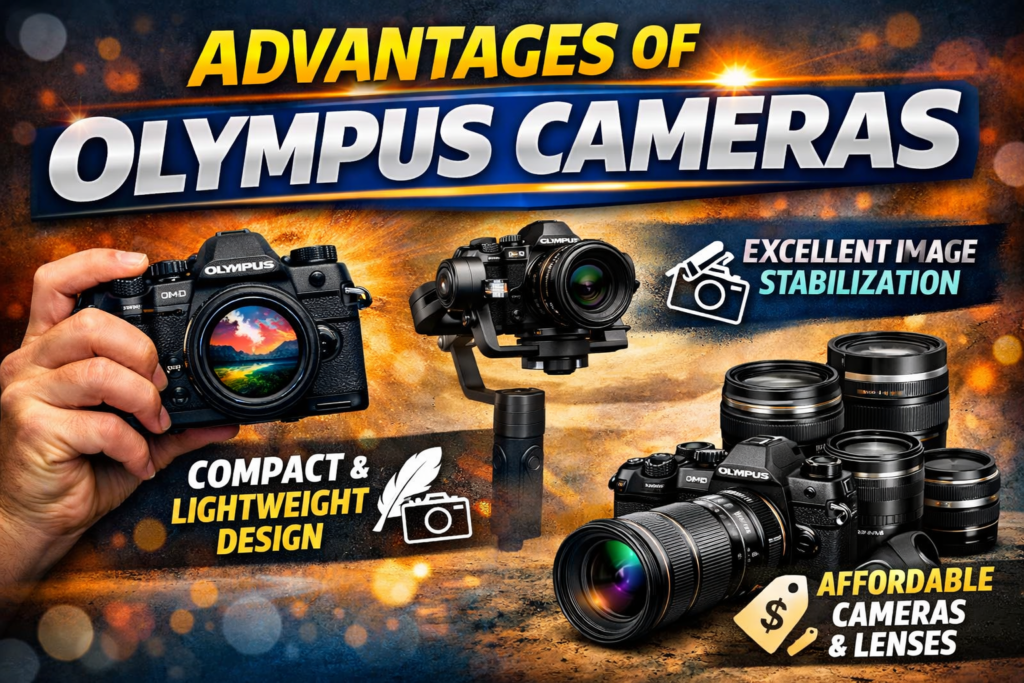
One of the biggest advantages of Olympus cameras is their small and lightweight design. The Micro Four Thirds system allows photographers to carry a powerful camera setup without the weight of traditional DSLR equipment. This makes Olympus cameras a great choice for travelers, street photographers, and outdoor enthusiasts who need a portable setup.
Excellent Image Stabilization
Olympus cameras are well known for their advanced in-body image stabilization (IBIS) technology. This feature helps reduce camera shake and allows users to capture sharper images even in low-light conditions without always using a tripod. It is also useful for recording smooth handheld videos.
Affordable Camera and Lens Options
Compared with many full-frame camera systems, Olympus provides more affordable options for beginners and enthusiasts. The lenses are generally smaller, lighter, and available at different price ranges, making it easier to build a complete photography setup.
Disadvantages of Olympus Cameras
Smaller Sensor Size
Olympus cameras use a Micro Four Thirds sensor, which is smaller compared with APS-C and full-frame cameras. A smaller sensor may produce more noise when shooting at very high ISO settings, especially in very low-light conditions.
Lower Low-Light Performance
Although modern Olympus cameras perform well, they may not match full-frame cameras in extreme low-light situations. Photographers who frequently shoot night scenes, concerts, or professional studio work may prefer larger sensor systems.
Limited Background Blur
Because of the smaller sensor size, achieving an extremely shallow depth of field with strong background blur can be more challenging compared with full-frame cameras.
Popular Olympus Lens Categories
Standard Zoom Lens
A standard zoom lens is perfect for daily photography.
It can handle:
- Family photos
- Travel images
- Landscapes
- Street photography
A lens like a 12-45mm or 14-42mm kit lens is a practical starting point.
Telephoto Lens for Wildlife
Wildlife photographers need reach. Olympus telephoto lenses are popular because the Micro Four Thirds system provides a longer effective focal length in a smaller package.
These lenses are suitable for:
- Birds
- Animals
- Sports photography
A smaller wildlife lens setup is easier to carry during long outdoor trips.
Macro Lens for Close-Up Photography
Olympus has strong macro photography options.
Macro lenses are ideal for:
- Flowers
- Insects
- Product photography
- Small objects
They allow photographers to capture details that are often invisible to the human eye.
Also Read
Why Fleurop Is a Popular Choice for Fresh Flower Delivery
The Complete Guide to Iberostar (closed): Updates and Travel Advice
Common ABIBY Mistakes to Avoid for Maximum Success
Why VCM_Ladbrokes Is Gaining Attention: Features and Benefits
Top Reasons Tea Enthusiasts Prefer TEALEAVES for Gourmet Tea Blends
Is Olympus Good for Video and YouTube Content?
Olympus cameras are not only designed for photography but also provide useful video features. Many models support high-resolution video recording, stabilization, and creative shooting modes.
For YouTube creators, an Olympus camera can be useful for:
- Product reviews
- Travel videos
- Tutorials
- Vlogging
- Outdoor content
The lightweight design makes it easier to record videos for long periods without carrying heavy equipment.
Olympus Camera Maintenance Tips for Long-Term Use
Taking care of your camera helps maintain performance and image quality.
Follow these simple maintenance tips:
- Keep lenses clean using proper cleaning tools.
- Store your camera in a dry place.
- Use a protective camera bag during travel.
- Avoid touching the camera sensor directly.
- Charge batteries properly and keep spare batteries for long trips.
- Update camera firmware regularly.
Proper maintenance can increase the lifespan of your camera equipment.
Common Mistakes When Buying an Olympus Camera
Many new photographers make mistakes when purchasing equipment.
The most common mistakes include:
Buying the most expensive camera first:
A costly camera does not automatically improve photography skills. Learning composition, lighting, and camera settings is more important.
Ignoring lenses:
A good lens can improve image quality more than upgrading the camera body.
Buying equipment without considering weight:
A heavy camera may become uncomfortable during travel. A smaller system that you carry everywhere can produce better results.
Choosing based only on megapixels:
Megapixels are only one part of image quality. Stabilization, lens quality, autofocus, and shooting experience also matter.
Conclusion
Choosing the right Olympus camera and lens depends on your photography style, budget, and future goals. Olympus and OM SYSTEM cameras are excellent choices for photographers who value portability, stabilization, and versatility.
Beginners can start with affordable models, while professionals and outdoor photographers can choose advanced cameras like the OM-1 Mark II with specialized lenses. The most important thing is selecting equipment that inspires you to go outside and capture more photos.
A perfect camera is not always the biggest or most expensive one. It is the camera that fits your lifestyle and helps you enjoy photography.
Frequently Asked Questions
Yes. Olympus cameras are beginner-friendly because they are lightweight, easy to use, and offer many automatic and creative shooting modes.
Yes. Olympus cameras continue under the OM SYSTEM brand, which develops Micro Four Thirds cameras and lenses.
The OM-1 Mark II is one of the strongest choices for wildlife because of its fast shooting speed, autofocus features, and stabilization.
Beginners and travelers usually benefit from zoom lenses because they are flexible. Prime lenses are better for photographers who want maximum sharpness and low-light performance.
Yes. Their compact size, lightweight lenses, and strong stabilization make them excellent travel companions.
Table of Contents
Popular Posts

-
 Affordable Technical SEO Audit for Small Business: A Complete Guide26 Jun 2025 Blog
 -
 How to Get an Affordable Technical SEO Audit for Small Business27 Jun 2025 Blog
 -
 The Ultimate Local SEO Audit Checklist for Startups28 Jun 2025 Blog
 -
 Local SEO Audit Checklist for Startups: A Beginner’s Guide28 Jun 2025 Blog
 -
 Top On-Page SEO Audit Steps for Service Websites Every Business Should Know29 Jun 2025 Blog
 -
 The Impact of On-Page SEO Audit Steps for Service Websites on UX01 Jul 2025 Blog
 -
 Technical SEO for WordPress: The Ultimate Beginner’s Guide01 Jul 2025 Blog
 -
 Technical Mobile SEO Audit Tips for Developers02 Jul 2025 Blog
Related Post