

How Mini in the Box Competes in the Global Ecommerce Market

Discover how Mini in the Box competes in the global ecommerce market by leveraging competitive pricing, cross-border sourcing, smart digital marketing, and a mobile-first strategy. This article explores how Mini in the Box stands out against major ecommerce giants while targeting budget-conscious shoppers worldwide.
Table of Contents
Introduction to Mini in the Box
What is Mini in the Box?
If you’ve ever hunted for affordable gadgets, accessories, or quirky little products online, chances are you’ve stumbled upon Mini in the Box. It’s an international ecommerce platform known for offering low-cost products shipped worldwide. Think of it as a digital marketplace where price-sensitive shoppers go treasure hunting.
Mini in the Box operates as part of the larger ecommerce ecosystem built by its parent company, LightInTheBox, which focuses on global direct-to-consumer sales.
A Brief History and Growth Journey
Mini in the Box was launched to target customers looking for affordable electronics and small accessories. Over time, it expanded into fashion, home goods, and lifestyle products. Instead of competing head-on with giants through massive infrastructure, it built a lean, cross-border model.
And that’s where things get interesting.
Understanding the Global Ecommerce Landscape
The Rise of Cross-Border Ecommerce
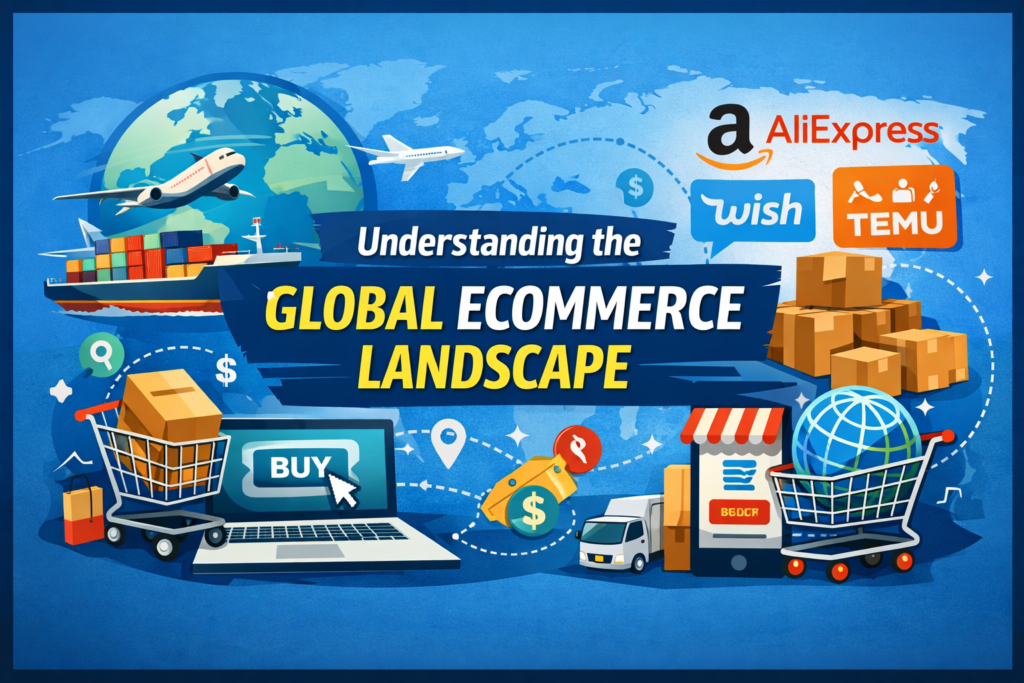

Global ecommerce isn’t just booming — it’s exploding. Customers today don’t care where a product comes from as long as it’s affordable and reliable. Cross-border shopping has become normal.
Mini in the Box thrives in this space by connecting manufacturers directly to international buyers.
Key Competitors in the Global Market
It competes with platforms like Amazon, AliExpress, Wish, and Temu. Each of these platforms has deep pockets and vast networks.
So how does Mini in the Box survive?
By playing smart, not big.
Competitive Pricing Strategy
Low-Cost Sourcing Model
Mini in the Box keeps prices low by sourcing directly from manufacturers. There are fewer middlemen involved, which reduces overhead costs.
Direct-from-Manufacturer Advantage
This model allows them to offer products at prices that often undercut major competitors. It’s like buying straight from the factory outlet instead of a branded showroom.
Bulk Procurement Strategy
Bulk purchasing ensures economies of scale. The more they buy, the cheaper it gets. Simple math, powerful impact.
Wide Product Selection
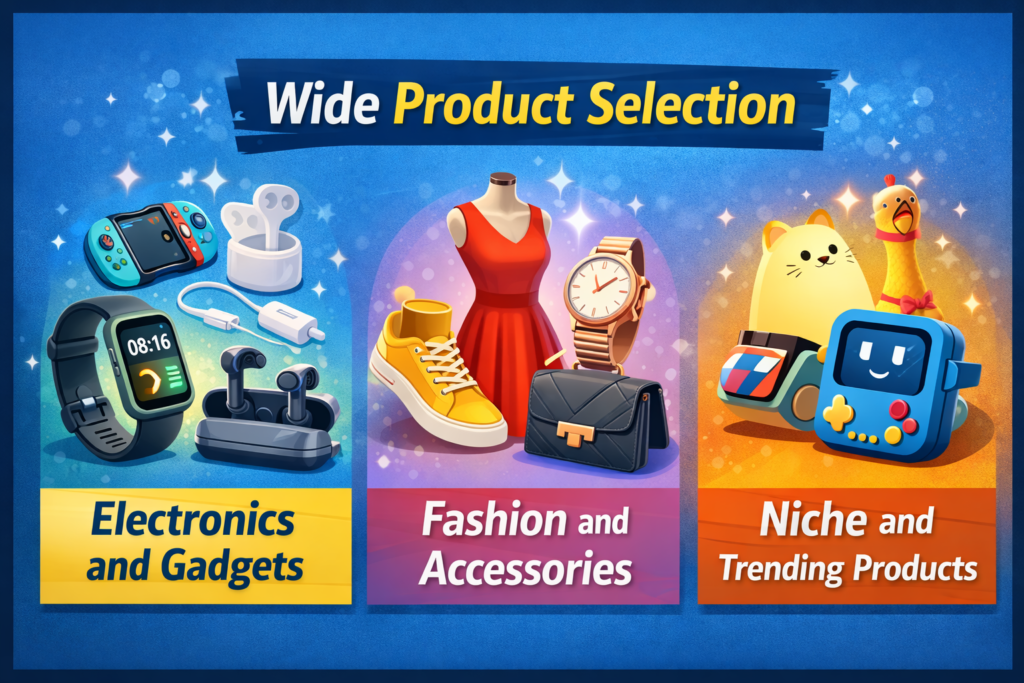
Electronics and Gadgets
Mini in the Box originally gained popularity for small electronics — phone accessories, LED lights, smart gadgets.
Fashion and Accessories
Over time, they expanded into jewelry, watches, and apparel. These categories appeal strongly to impulse buyers.
Niche and Trending Products
Here’s the clever part: they quickly adapt to trends. Viral product? Trending gadget? They list it fast. Speed is their weapon.
Global Shipping and Logistics Network
International Warehousing
They operate with global fulfillment partners to minimize delivery time. While not as fast as Prime shipping, it balances affordability and reach.
Affordable Shipping Options
Budget shipping attracts price-conscious customers. Many buyers are willing to wait if it saves money.
Tracking and Delivery Transparency
Order tracking builds trust. Transparency reduces anxiety, especially in cross-border purchases.
Localized Website Experience
Multi-Currency and Multi-Language Support
Mini in the Box localizes content for different countries. Currency conversion and language support remove friction from the buying process.
Local Payment Gateways
From credit cards to digital wallets, they support region-specific payment options. That flexibility increases conversion rates.
Digital Marketing and SEO Strategy
Search Engine Optimization
They focus on ranking for long-tail product keywords. Instead of competing for “smartwatch,” they target “cheap waterproof smartwatch under $20.”
Paid Advertising Campaigns
Mini in the Box uses Google Ads, social media ads, and retargeting to capture high-intent shoppers.
Social Media Targeting
Platforms like Facebook and Instagram allow hyper-targeting. Affordable products perform well in impulse-driven environments.
Mobile-First Ecommerce Strategy
Mobile App Optimization
A significant portion of global ecommerce traffic comes from mobile devices. Their platform is optimized for quick browsing and checkout.
Seamless User Interface
Simple design. Clear CTAs. Easy navigation. No unnecessary clutter.
It’s like walking into a well-organized discount store.
Customer Reviews and Trust Building
Verified Buyer Reviews
User-generated reviews add social proof. Shoppers trust other shoppers more than ads.
Return and Refund Policies
Clear refund policies help reduce hesitation. While cross-border returns can be tricky, transparent policies help maintain credibility.
Also Read
Disneyland Paris IT Guide: Everything Italian Travelers Need to Know
Trustedhousesitters Review: Is It the Best House Sitting Platform in 2026?
Verivox DE Features Breakdown: Why Germans Trust This Comparison Portal
Uncrate Men’s Product Picks: Best Men’s Accessories, Watches & Everyday Gear
The Tuttle Twins Brand Growth: Marketing Lessons from Educational Media
Data-Driven Decision Making
Analytics and Consumer Insights
Mini in the Box uses consumer behavior data to optimize pricing, product listings, and marketing campaigns.
Trend-Based Product Launches
They monitor trending searches and quickly list similar products. It’s reactive, agile, and effective.
Competing Against Ecommerce Giants
Differentiation from Amazon and AliExpress
Unlike Amazon, which focuses on speed and brand trust, Mini in the Box focuses on affordability.
Compared to AliExpress, it offers a more curated shopping experience.
Focus on Budget-Conscious Shoppers
They know their audience: deal hunters. Students. Bargain seekers. Price-sensitive buyers.
And they serve them relentlessly.
Challenges Faced by Mini in the Box
Shipping Delays
Cross-border shipping can be slow. Customs clearance and international logistics create delays.
Quality Control Issues
Low pricing sometimes raises quality concerns. Managing supplier standards is crucial for long-term survival.
Future Growth Strategy
Expansion into Emerging Markets
Emerging markets in Asia, Africa, and Latin America offer massive growth potential.
AI and Personalization
Using AI for personalized recommendations can significantly increase average order value.
Imagine walking into a store where everything feels handpicked for you. That’s the goal.
Conclusion
Mini in the Box competes in the global ecommerce market not by overpowering giants but by outmaneuvering them. It focuses on affordability, agility, cross-border efficiency, and smart digital marketing.
It understands its audience deeply. It plays in the value segment. It adapts quickly.
In a world where ecommerce is a battlefield, Mini in the Box survives by being nimble — like a small boat that can turn faster than a cruise ship.
Frequently Asked Questions
Yes, it is a legitimate ecommerce platform operating globally under LightInTheBox.
Because it sources directly from manufacturers and minimizes intermediaries.
Shipping times vary by country but are generally longer than domestic platforms.
Yes, it provides return and refund policies depending on product type and region.
By focusing on affordability and cross-border sourcing rather than fast premium delivery.
Table of Contents
Popular Posts

-
 Affordable Technical SEO Audit for Small Business: A Complete Guide26 Jun 2025 Blog
 -
 How to Get an Affordable Technical SEO Audit for Small Business27 Jun 2025 Blog
 -
 The Ultimate Local SEO Audit Checklist for Startups28 Jun 2025 Blog
 -
 Local SEO Audit Checklist for Startups: A Beginner’s Guide28 Jun 2025 Blog
 -
 Top On-Page SEO Audit Steps for Service Websites Every Business Should Know29 Jun 2025 Blog
 -
 The Impact of On-Page SEO Audit Steps for Service Websites on UX01 Jul 2025 Blog
 -
 Technical SEO for WordPress: The Ultimate Beginner’s Guide01 Jul 2025 Blog
 -
 Technical Mobile SEO Audit Tips for Developers02 Jul 2025 Blog
Related Post