
Florasis ( Hua Xizi) Case Study: Ranking in Global Beauty Markets

The global beauty industry has long been dominated by Western and Korean brands. But in recent years, something interesting has happened—Chinese beauty brands, often called C-beauty, have started making serious noise worldwide. At the center of this shift stands Florasis, also known as Hua Xizi.
Florasis didn’t just enter the market. It redefined how a beauty brand from China could look, feel, and perform on the global stage.
Table of Contents
Introduction
Florasis is a premium Chinese cosmetics brand that blends traditional Chinese aesthetics with modern beauty technology. Founded with a mission to revive Eastern beauty culture, the brand quickly gained attention for its engraved makeup, artistic packaging, and storytelling-driven marketing.
Instead of copying Western trends, Florasis leaned into its roots—and that decision changed everything.
The Rise of C-Beauty Brands in the Global Market
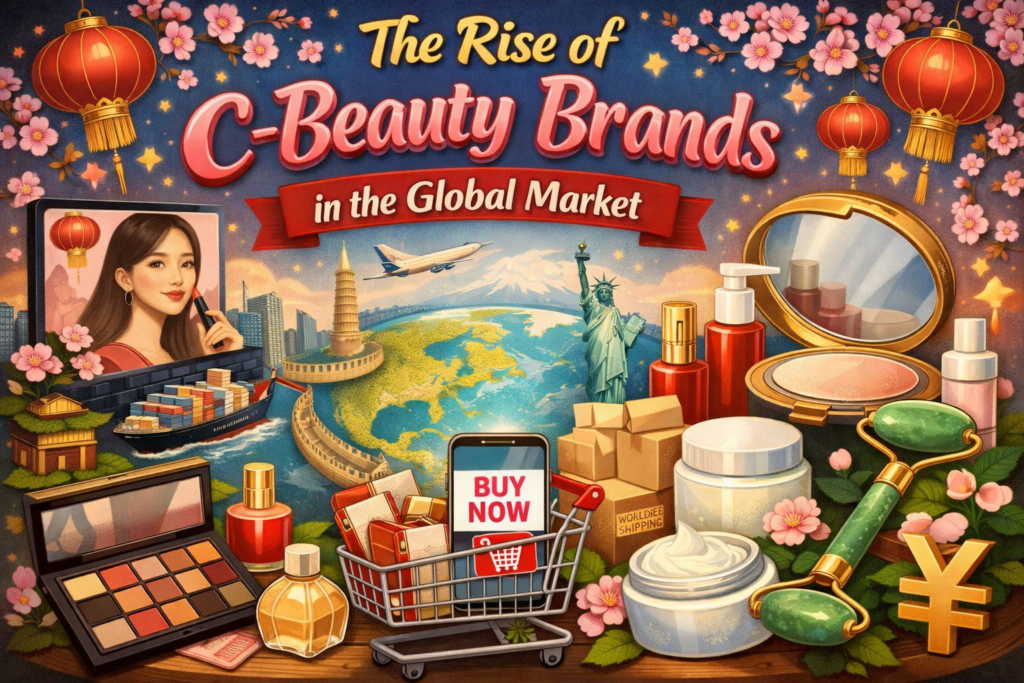

For years, “Made in China” in beauty meant low cost, not luxury. Florasis flipped that narrative. Alongside the rise of Chinese consumer confidence and digital-first shopping, C-beauty brands began exporting not just products—but culture.
Florasis became the face of this movement, proving that Chinese brands could compete in premium global segments.
Brand Philosophy and Cultural Identity
Florasis is built on one core idea: Eastern beauty deserves a global stage. Every product reflects classical Chinese art, poetry, and craftsmanship. This isn’t accidental branding—it’s a long-term identity strategy.
While many brands chase trends, Florasis tells stories.
Origins of Florasis
The brand originated in Hangzhou, a city deeply rooted in Chinese history and aesthetics. This cultural backdrop heavily influenced Florasis’s visual language—from lotus motifs to carved metal designs inspired by ancient craftsmanship.
Meaning Behind the Name Hua Xizi
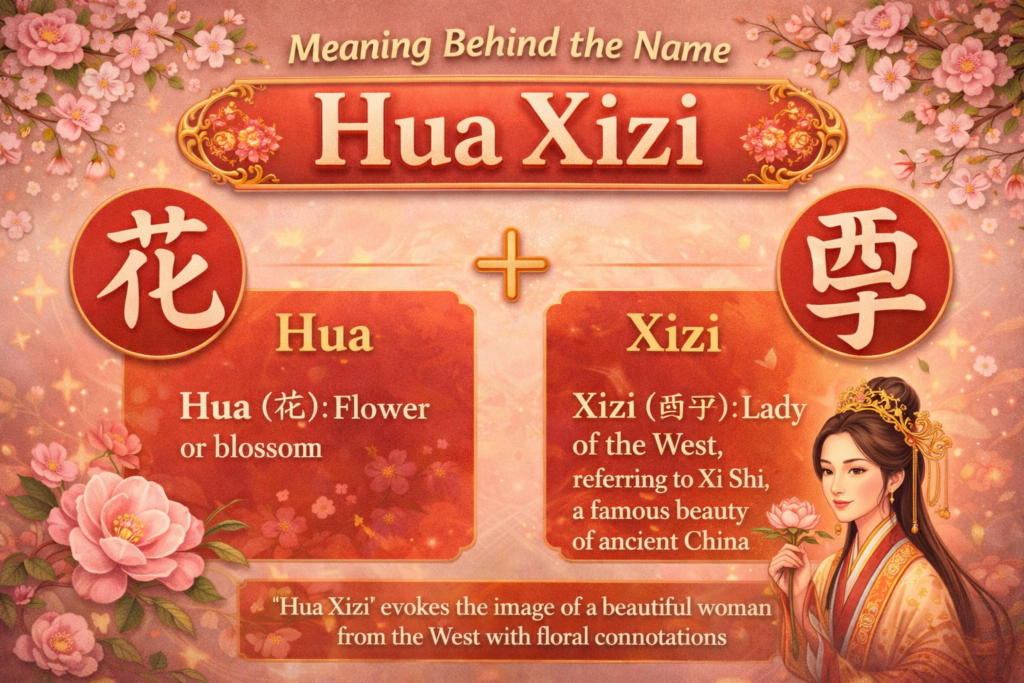
“Hua Xizi” loosely translates to “beauty flower” or “flower makeup,” referencing elegance, femininity, and natural harmony. The English name “Florasis” bridges Eastern roots with global appeal—simple, poetic, and memorable.
Product Strategy That Changed the Game
Florasis didn’t try to launch hundreds of products. Instead, it focused on hero products—items designed to go viral visually and emotionally.
Quality came first. Aesthetics followed. Scalability came later.
Design-Led Innovation in Beauty Products
Florasis is famous for its engraved lipsticks and powders—something rarely seen in mass-market cosmetics. These designs aren’t just pretty; they create share-worthy moments, perfect for social media.
In the age of Instagram and TikTok, beauty that photographs well sells better.
Signature Products and Bestsellers
Some of Florasis’s most popular products include:
- Engraved lipsticks
- Air loose powders
- Sculpted eyebrow palettes
These products aren’t positioned as “cheap alternatives” but as collectible beauty pieces.
Ingredient Transparency and Skin Compatibility
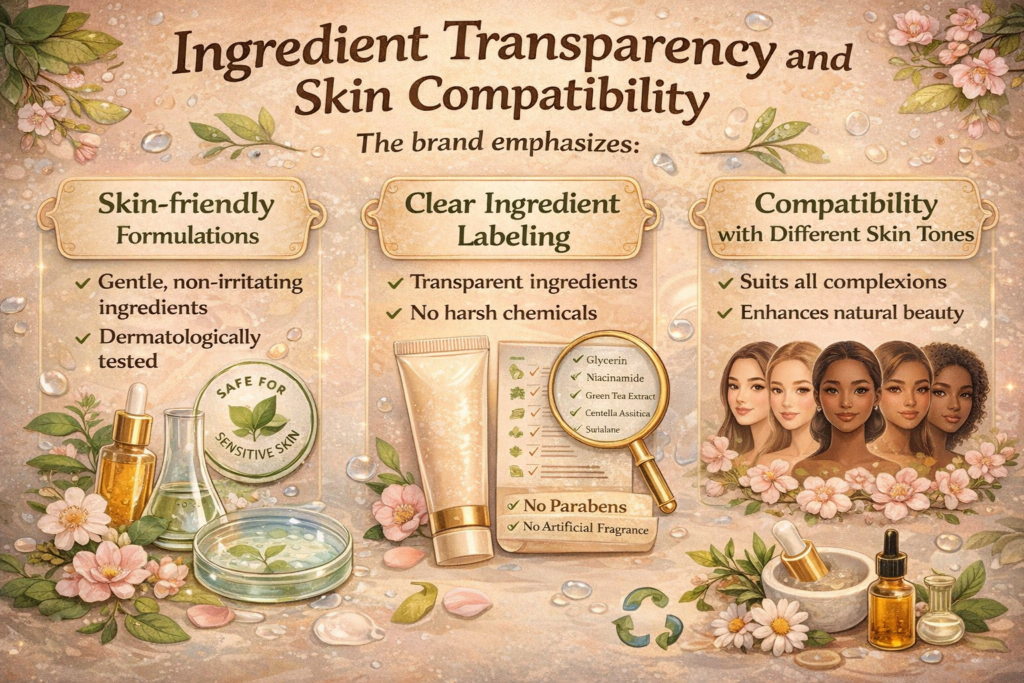
Florasis made significant R&D investments in order to gain international trust. The brand emphasizes:
- Skin-friendly formulations
- Clear ingredient labeling
- Compatibility with different skin tones
This helped address skepticism around Chinese cosmetics in international markets.
Traditional Chinese Aesthetics Meets Modern Beauty
Florasis’s biggest strength is balance. It respects tradition without feeling outdated. Ancient art meets modern usability—like calligraphy applied to sleek, contemporary packaging.
It’s nostalgia without the dust.
Marketing Strategy: How Florasis Went Global
Florasis didn’t rely on traditional advertising. Instead, it used digital storytelling, influencers, and visual-first content to build desire organically.
Marketing felt more like art than promotion.
Also Read
Lottoland Digital Marketing Strategy for Global Markets
How BIK BOK Benefits from Influencer and SEO Marketing
Why alao CH Benefits from Data-Driven Content Marketing Strategies
Goldstar (USA): Your Go-To Platform for Discounted Event Tickets
The Accountancy Partnership: How It’s Transforming Modern Accounting Services
Influencer and KOL-Driven Growth
The brand leveraged Chinese KOLs first, then expanded globally through beauty creators on YouTube, TikTok, and Instagram. Seeing influencers use and admire the products built instant credibility.
People trust faces more than ads.
Content-Led Storytelling
Florasis treats every campaign like a short film. Cultural references, poetic language, and cinematic visuals turn product launches into experiences.
This storytelling approach helped the brand stand out in a crowded beauty feed.
Social Media Dominance
Short-form videos showcasing engraving details and packaging unboxings went viral. Visual uniqueness became Florasis’s organic growth engine.
No hard selling. Just visual obsession.
Cross-Border E-Commerce Expansion
Florasis smartly used platforms like cross-border marketplaces to test demand before fully entering new regions. This reduced risk and provided real-time customer feedback.
Global Market Entry Strategy
Instead of rushing everywhere, Florasis expanded strategically—starting with regions that already appreciated Asian beauty aesthetics.
Success in Southeast Asia
Markets like Southeast Asia welcomed Florasis quickly due to cultural proximity and strong digital commerce adoption. The brand positioned itself as premium but accessible.
Expansion into Western Markets
Western markets were more challenging. Florasis tackled this by:
- Educating consumers through content
- Partnering with trusted creators
- Emphasizing quality and artistry
Slow growth, but sustainable trust.
Brand Positioning vs Global Beauty Giants
Florasis doesn’t compete on price. It competes on experience. While global giants focus on performance claims, Florasis sells emotion, culture, and identity.
It’s not just makeup—it’s a statement.
Pricing, Perception, and Premiumization
Florasis prices its products above mass-market but below ultra-luxury brands. This “affordable premium” strategy attracts aspirational buyers worldwide.
Challenges Faced by Florasis
The biggest challenges included:
- Trust issues around Chinese brands
- Cultural misunderstanding
- Regulatory compliance in new markets
How the Brand Addressed Global Skepticism
Florasis responded with transparency, quality assurance, and consistent branding. Over time, perception shifted from “unknown” to “desirable.”
Why Florasis Ranks in Global Beauty Markets
Florasis ranks globally because it:
- Owns a unique cultural identity
- Excels in visual branding
- Understands digital-first consumers
- Balances tradition with innovation
Future Growth Strategy
Florasis is likely to expand deeper into global markets, introduce skincare lines, and invest further in offline experiences and flagship stores.
Conclusion
Florasis (Hua Xizi) is more than a successful beauty brand—it’s a case study in cultural branding done right. By combining artistry, digital strategy, and thoughtful globalization, Florasis has earned its place in global beauty markets. For brands aiming to go international, this is a blueprint worth studying.
Frequently Asked Questions
Florasis is positioned as an affordable premium brand, blending luxury aesthetics with accessible pricing.
Its unique Chinese-inspired design, viral visuals, and strong storytelling drive global appeal.
The brand emphasizes skin-friendly formulations and ingredient transparency.
Through cross-border e-commerce, influencer marketing, and localized branding strategies.
Its deep cultural identity combined with modern digital marketing sets it apart.
Table of Contents
Popular Posts

-
 Affordable Technical SEO Audit for Small Business: A Complete Guide26 Jun 2025 Blog
 -
 How to Get an Affordable Technical SEO Audit for Small Business27 Jun 2025 Blog
 -
 The Ultimate Local SEO Audit Checklist for Startups28 Jun 2025 Blog
 -
 Local SEO Audit Checklist for Startups: A Beginner’s Guide28 Jun 2025 Blog
 -
 Top On-Page SEO Audit Steps for Service Websites Every Business Should Know29 Jun 2025 Blog
 -
 The Impact of On-Page SEO Audit Steps for Service Websites on UX01 Jul 2025 Blog
 -
 Technical SEO for WordPress: The Ultimate Beginner’s Guide01 Jul 2025 Blog
 -
 Technical Mobile SEO Audit Tips for Developers02 Jul 2025 Blog
Related Post