
Cede Platform for Movies, Music and Games Explained

Discover how the Cede platform is transforming digital entertainment by giving users true ownership of movies, music, and games. Learn how Cede works, its key features, benefits for users and creators, and why it’s emerging as a powerful alternative to traditional streaming platforms.
Table of Contents
What is the Cede Platform?
Origin and Concept of Cede
If you’ve been hearing the word Cede platform lately and wondering what the buzz is all about, you’re not alone. Think of Cede as a next-generation digital ecosystem where movies, music, and games are not just streamed—but actually owned, traded, and experienced in a more interactive way. Unlike traditional platforms where you pay for access but don’t truly own anything, Cede flips the script completely.
At its core, Cede is designed around the idea of digital ownership and decentralization. That means instead of relying on centralized services like Netflix or Spotify, users get more control over the content they purchase. Imagine buying a movie and being able to resell it later, or owning a game item that actually holds real-world value. Sounds futuristic, right? But that’s exactly the promise Cede is trying to deliver.
The concept emerged from the growing dissatisfaction among users and creators with existing platforms. Artists often complain about low payouts, while users feel locked into subscriptions without real ownership. Cede aims to solve both problems by creating a system where value flows more fairly between creators and consumers.
Why Cede is Gaining Attention
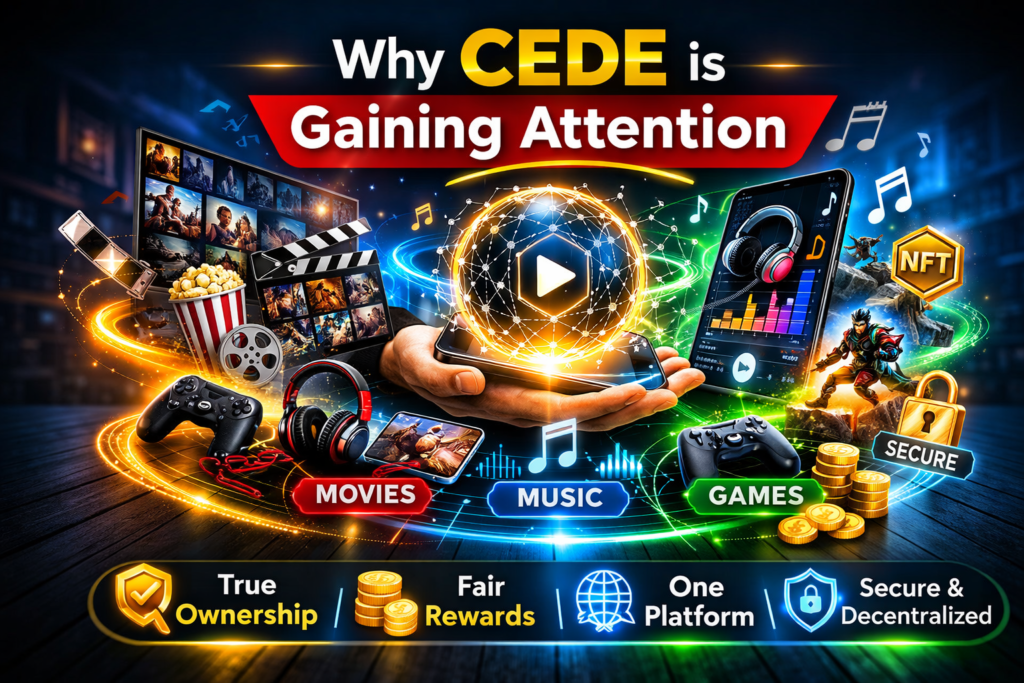

So why is everyone suddenly talking about Cede? The answer lies in how it aligns perfectly with current digital trends. People today are more aware of data ownership, privacy, and digital rights than ever before. The rise of blockchain, NFTs, and Web3 technologies has made users question: “Why don’t I actually own the things I buy online?”
Cede taps directly into this mindset. It offers a platform where ownership is transparent, transactions are secure, and users are rewarded for participation. This is especially appealing to younger audiences who are already comfortable with digital assets and online economies.
Another reason for its popularity is the multi-entertainment approach. Instead of juggling separate apps for movies, music, and games, Cede brings everything into one unified platform. It’s like having Netflix, Spotify, and Steam merged into a single ecosystem—but with added benefits like ownership and trading.
How Cede Works
Core Technology Behind Cede
Let’s break it down in simple terms. The Cede platform operates on advanced technologies like blockchain and smart contracts. These might sound technical, but the idea is straightforward: they ensure that every transaction is secure, transparent, and verifiable.
When you purchase content on Cede—whether it’s a movie, album, or game asset—it gets recorded as a digital ownership token. This token proves that you own the content, and it can’t be duplicated or tampered with. Think of it like a digital certificate of ownership stored safely on a decentralized network.
Smart contracts come into play when transactions happen. For example, if you resell a movie or a game item, the contract automatically ensures that the original creator gets a percentage of the sale. This creates a fair revenue-sharing systemthat benefits everyone involved.
User Interaction and Interface
You may be thinking, “This sounds complicated.” But here’s the good news: from a user’s perspective, it’s actually quite simple. The interface of Cede is designed to feel familiar, much like the platforms you already use.
You browse content, make purchases, and access your library just like you would on any streaming service. The difference is happening behind the scenes. Instead of just renting access, you’re building a digital collection that you truly own.
Users can also interact with the community by trading content, sharing reviews, or even earning rewards through engagement. This adds a social layer to the platform, making it more than just a place to consume content—it becomes a digital marketplace and community hub.
Key Features of Cede Platform
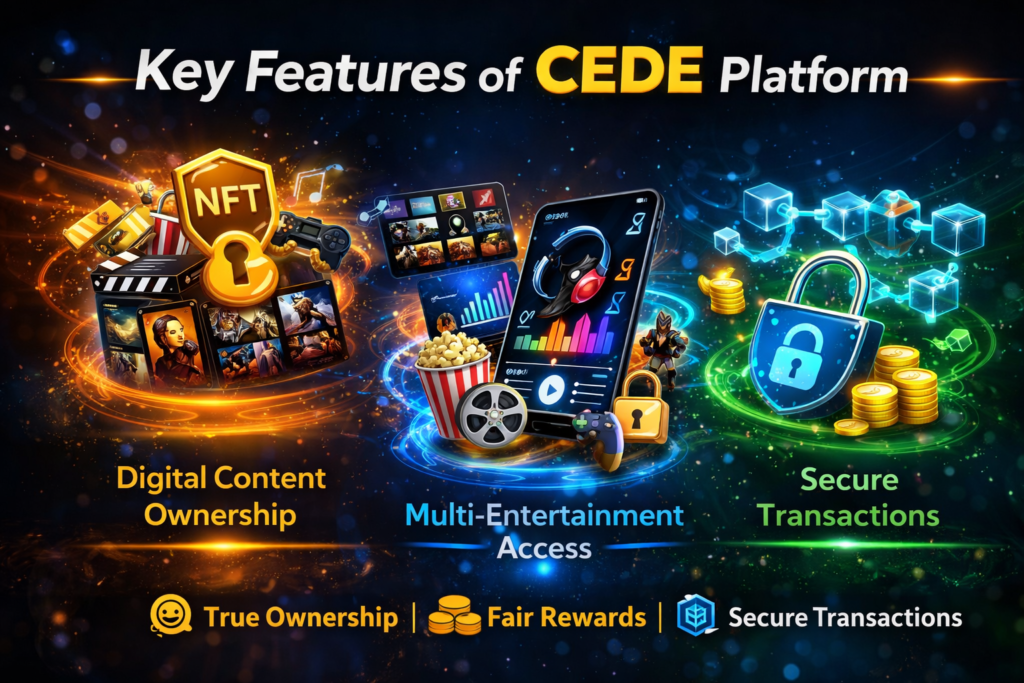
Digital Content Ownership
One of the standout features of Cede is true digital ownership. This means when you buy something, it’s yours—period. You’re not dependent on a subscription, and you won’t lose access if the platform removes the content.
This is a game-changer because it gives users a sense of control that traditional platforms simply don’t offer. It’s like the difference between renting a house and owning one. Which would you prefer?
Multi-Entertainment Access
Cede isn’t limited to just one type of content. It brings together movies, music, and games under one roof. This makes it incredibly convenient for users who want a unified entertainment experience.
Instead of switching between apps, you can manage everything from a single dashboard. It saves time, reduces complexity, and creates a more seamless experience overall.
Secure Transactions
Security is a major concern in the digital world, and Cede addresses this with robust systems. Every transaction is visible and encrypted because of blockchain technology.
This reduces the risk of fraud and ensures that users can trust the platform. Whether you’re buying, selling, or trading, you can do so with confidence.
Cede for Movies
Streaming vs Ownership
Traditional streaming services have trained us to think in terms of access rather than ownership. You pay a monthly fee, watch what you want, and move on. But what happens when your favorite movie disappears from the platform?
Cede changes this dynamic completely. Instead of streaming, you’re owning your movie collection. This means you can watch it anytime, without worrying about licensing changes or subscription renewals.
Benefits for Movie Lovers
For movie enthusiasts, this is a dream come true. You can build a personal library, trade movies with others, and even potentially earn money by reselling content.
It also opens up opportunities for exclusive releases and limited-edition content, adding a collectible aspect to movies that didn’t exist before.
Cede for Music
Artist Monetization
One of the biggest issues in the music industry is how little artists earn from streaming platforms. Cede addresses this by allowing artists to sell their music directly to fans.
This means higher earnings for creators and more meaningful connections with their audience. Fans can support their favorite artists in a more direct and impactful way.
Listener Experience
For listeners, the experience becomes more engaging. You’re not just streaming songs—you’re owning them. This adds value to your music collection and makes it feel more personal.
Advantages of Using Cede
For Users
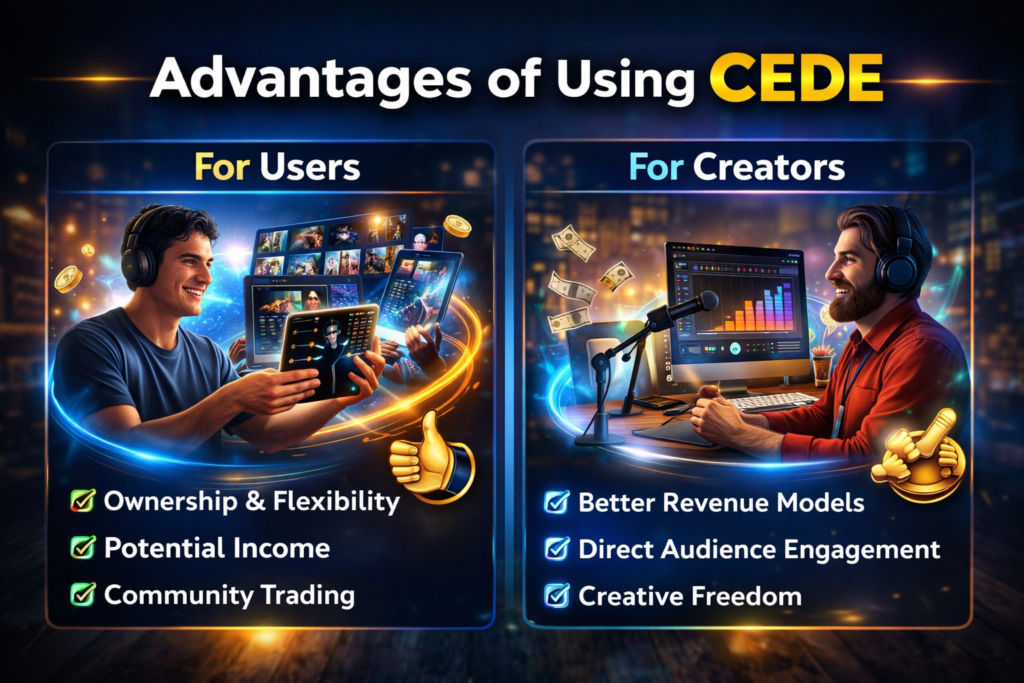
Users gain control, flexibility, and potential financial benefits. Instead of being passive consumers, they become active participants in the ecosystem.
For Creators
Creators enjoy better revenue models, direct audience engagement, and more control over their work.
Cede for Games
Game Asset Ownership
Gamers are already familiar with the concept of in-game purchases. But what if those items actually belonged to you? On Cede, they do.
You can own, trade, and even sell your in-game assets, turning gaming into a more dynamic and rewarding experience.
In-Game Economy Integration
Cede integrates real-world value into gaming economies. This means your time and effort in a game can translate into actual benefits outside of it.
Also Read
Pierre et Vacances Holiday Packages and Destinations Guide
Liveit.se Adventure and Experience Gifts Explained
Erasmusu Housing and Travel Services Explained for International Students
Der Gepflegte Mann: Men’s Grooming Brand Marketing Strategy
AliExpress: E-Commerce Marketing Strategy & Global Expansion Insights
Challenges and Limitations
Technical Barriers
Like any new technology, Cede comes with a learning curve. Not everyone is familiar with blockchain or digital ownership concepts.
Adoption Issues
Widespread adoption will take time. People are привыкшие to traditional platforms, and changing habits isn’t easy.
Cede vs Traditional Platforms
Key Differences
Feature | Cede Platform | Traditional Platforms |
Ownership | Yes | No |
Revenue Sharing | Transparent | Limited |
Resale Options | Available | Not Available |
Content Control | User-Owned | Platform-Controlled |
Comparison Table
The table above clearly shows how Cede stands out. It’s not just an upgrade—it’s a complete transformation of how digital content is consumed.
Future of Cede Platform
Industry Trends
The shift toward Web3 and decentralized platforms is undeniable. Cede is part of a larger movement that aims to redefine digital ownership.
Growth Potential
As awareness grows, more users and creators are likely to join the platform. This could lead to rapid expansion and innovation in the entertainment industry.
Conclusion
Cede represents a bold step forward in the world of digital entertainment. By combining movies, music, and games into a single platform focused on ownership and fairness, it challenges the traditional model in a big way. While there are still hurdles to overcome, the potential benefits are too significant to ignore. If you’ve ever wished for more control over your digital content, Cede might just be the future you’ve been waiting for.
Frequently Asked Questions
Cede focuses on ownership rather than access, allowing users to buy, sell, and trade digital content.
Yes, it uses advanced blockchain technology to ensure secure and transparent transactions.
Yes, that’s one of its core features—users can resell owned content.
Absolutely, creators receive fairer revenue shares and direct engagement with their audience.
Availability depends on the platform’s expansion, but it aims to reach a global audience.
Table of Contents
Popular Posts

-
 Affordable Technical SEO Audit for Small Business: A Complete Guide26 Jun 2025 Blog
 -
 How to Get an Affordable Technical SEO Audit for Small Business27 Jun 2025 Blog
 -
 Local SEO Audit Checklist for Startups: A Beginner’s Guide28 Jun 2025 Blog
 -
 The Ultimate Local SEO Audit Checklist for Startups28 Jun 2025 Blog
 -
 Top On-Page SEO Audit Steps for Service Websites Every Business Should Know29 Jun 2025 Blog
 -
 The Impact of On-Page SEO Audit Steps for Service Websites on UX01 Jul 2025 Blog
 -
 Technical SEO for WordPress: The Ultimate Beginner’s Guide01 Jul 2025 Blog
 -
 Technical Mobile SEO Audit Tips for Developers02 Jul 2025 Blog
Related Post