
Kayak IN CPC Program Explained: A Complete Advertiser Guide
Kayak IN CPC Program Explained: A Complete Advertiser Guide is a practical, in-depth resource that breaks down how the Kayak IN CPC Program works for travel advertisers in India. The guide covers CPC bidding, targeting strategies, budget planning, optimization tips, and common mistakes, helping airlines, OTAs, and travel brands maximize ROI from high-intent Kayak traffic.
Table of Contents
Introduction to Kayak IN Advertising
Let’s face it—travel marketing is crowded. Everyone is shouting for attention. That’s where Kayak IN quietly shines. It connects advertisers directly with travelers who are already searching, comparing, and ready to book.
What is Kayak IN?
Kayak IN is the Indian version of the global travel search engine Kayak. It aggregates flight, hotel, and car rental prices from multiple providers, giving users instant comparisons. For advertisers, this means one thing: high-intent traffic.
Why Kayak Advertising Matters in India
India’s online travel market is booming. With price-sensitive users and heavy comparison behavior, Kayak becomes the perfect middle ground where intent meets opportunity.
Understanding the Kayak CPC Program
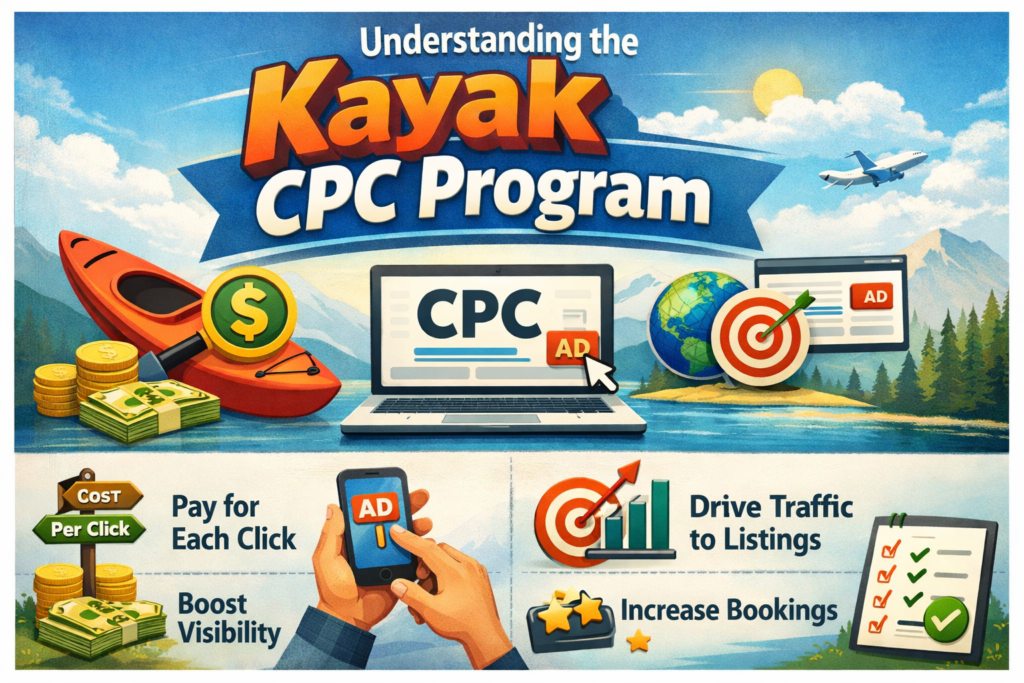

What Does CPC Mean in Kayak?
CPC stands for Cost Per Click. You pay only when a user clicks your listing—not when it’s shown. Simple, transparent, and performance-driven.
How the Kayak CPC Model Works
You bid on clicks for routes, destinations, or travel products. Higher bids generally get better visibility, but relevance and pricing still matter.
CPC vs CPA vs Commission Models
- CPC: Pay for traffic
- CPA: Pay for bookings
- Commission: Share revenue
CPC gives you control. You decide the spend. You control the funnel.
How Kayak IN CPC Program Differs from Other Markets
India-Specific Travel Behavior
Indian travelers compare aggressively. They check multiple dates, routes, and providers. CPC works well here because even a single click can influence later bookings.
Mobile-First Audience Impact
Most Kayak IN users are on mobile. If your landing page isn’t mobile-optimized, you’re basically pouring water into a leaky bucket.
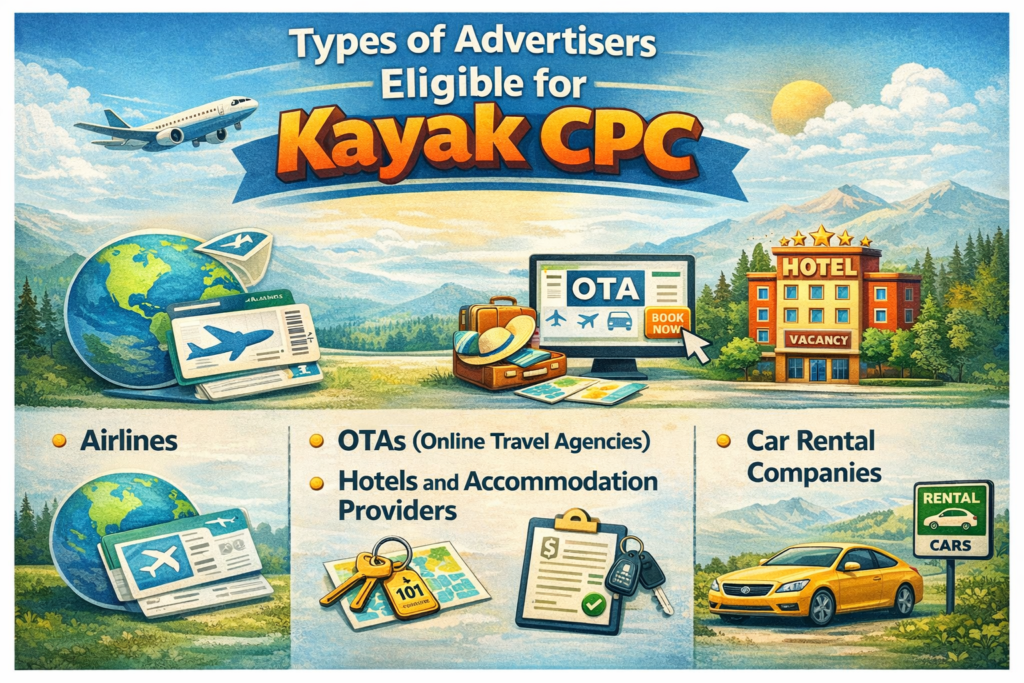
Types of Advertisers Eligible for Kayak CPC
Airlines
Direct airlines benefit the most—no commissions, full control over pricing visibility.
OTAs (Online Travel Agencies)
OTAs use CPC to dominate high-demand routes and dates.
Hotels and Accommodation Providers
Great for city-based searches and last-minute bookings.
Car Rental Companies
Often overlooked, but extremely profitable in airport-based searches.
Getting Started with Kayak IN CPC Program
Account Setup Process
You’ll need to partner through Kayak’s advertising platform or an approved integration partner. Once approved, campaigns can go live quickly.
Required Documentation and Integrations
- Pricing feed or API
- Accurate availability data
- Landing page compliance
Kayak IN Ad Placement Options
Sponsored Listings
Top-of-the-page visibility for maximum exposure.
Search Result Positioning
Your bid + relevance decides where you show up.
Mobile vs Desktop Visibility
Mobile clicks often cost less but convert faster—when optimized right.
Keyword and Route Targeting in Kayak CPC
Route-Based Targeting
Target routes like Delhi–Mumbai or Bengaluru–Dubai instead of generic keywords.
Date and Demand-Based Targeting
Bid higher on weekends, holidays, and festive seasons.
Seasonal Travel Trends in India
Think summer vacations, Diwali travel, wedding seasons—timing is everything.
Budget Planning for Kayak IN CPC
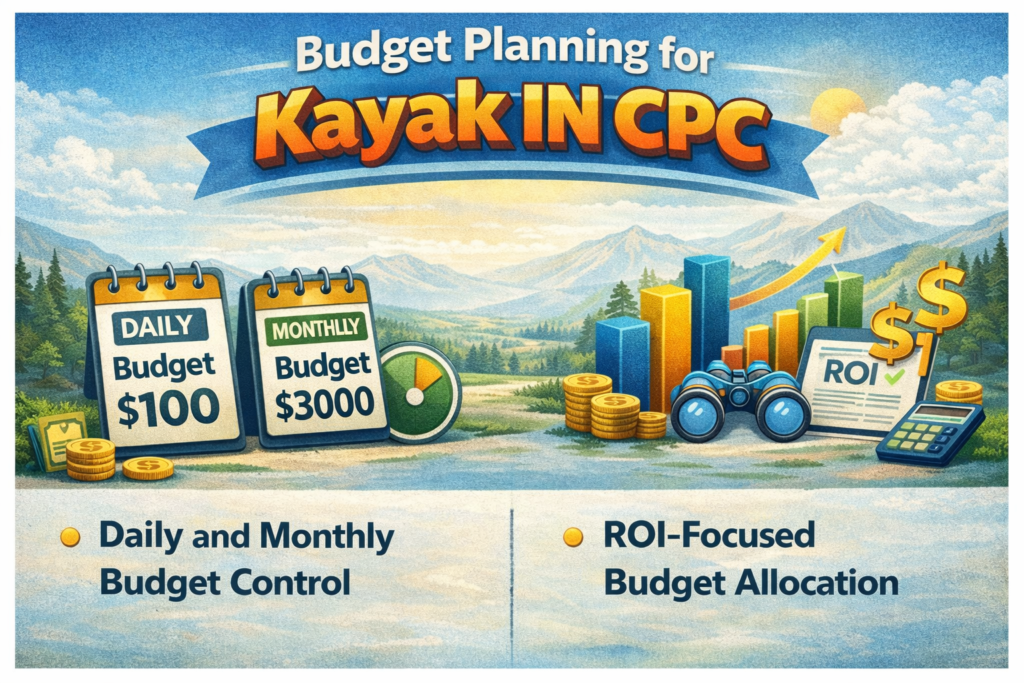
Daily and Monthly Budget Control
Caps protect you from overspending while testing performance.
ROI-Focused Budget Allocation
Shift budget toward routes with high conversion signals, not just clicks.
Bidding Strategy Explained
How Kayak CPC Bidding Works
You set a max CPC. Kayak’s system balances bid, price competitiveness, and relevance.
Minimum and Maximum Bids
Start conservative. Let data guide you upward.
Smart Bidding Tips for Beginners
- Test routes individually
- Avoid blanket bidding
- Optimize weekly, not daily
Tracking and Analytics
Performance Metrics That Matter
- Clicks
- CTR
- Cost per booking (indirect)
Clicks, CTR, and Conversion Insights
High CTR with low conversions? Your landing page is the culprit.
Optimization Best Practices
Improving Click-Through Rate (CTR)
Competitive pricing + accurate availability = better CTR.
Landing Page Optimization Tips
- Fast load time
- Clear pricing
- Minimal steps to booking
Reducing Wasted Spend
Pause low-performing routes aggressively.
Common Mistakes Advertisers Make
Overbidding on Low-Intent Routes
Cheap clicks don’t always mean quality traffic.
Ignoring Mobile Optimization
This one mistake alone can kill ROI.
Kayak IN CPC vs Google Ads for Travel
Traffic Quality Comparison
Kayak users are already in booking mode. Google users are still “thinking.”
Cost Efficiency Analysis
Lower funnel traffic often means better ROI on Kayak.
Pros and Cons of Kayak IN CPC Program
Key Advantages
- High-intent users
- Transparent pricing
- Full budget control
Potential Limitations
- Requires feed accuracy
- Competitive routes can get expensive
Who Should Use Kayak IN CPC Program
Best Fit Business Models
- Airlines
- OTAs with strong pricing
- Hotels in major cities
When to Avoid CPC on Kayak
If your site converts poorly or prices aren’t competitive.
Future of Kayak Advertising in India
Growing Travel Demand
Domestic and international travel demand keeps rising.
Automation and AI in Bidding
Smarter bidding and predictive pricing will define the next phase.
Conclusion
The Kayak IN CPC program isn’t just another ad channel—it’s a performance-driven traffic engine for travel brands that understand intent. When used strategically, it delivers quality clicks, strong brand visibility, and long-term ROI. Treat it like a precision tool, not a spray-and-pray campaign, and it will reward you.
Frequently Asked Questions
Yes, if you want traffic control and predictable costs.
It depends on the route, but starting low and scaling works best.
Absolutely, especially for niche or regional routes.
No, it guarantees clicks. Conversions depend on your site.
Initial insights appear within 1–2 weeks of campaign launch.
Table of Contents
Popular Posts

-
 Affordable Technical SEO Audit for Small Business: A Complete Guide26 Jun 2025 Blog
 -
 How to Get an Affordable Technical SEO Audit for Small Business27 Jun 2025 Blog
 -
 The Ultimate Local SEO Audit Checklist for Startups28 Jun 2025 Blog
 -
 Local SEO Audit Checklist for Startups: A Beginner’s Guide28 Jun 2025 Blog
 -
 Top On-Page SEO Audit Steps for Service Websites Every Business Should Know29 Jun 2025 Blog
 -
 The Impact of On-Page SEO Audit Steps for Service Websites on UX01 Jul 2025 Blog
 -
 Technical SEO for WordPress: The Ultimate Beginner’s Guide01 Jul 2025 Blog
 -
 Technical Mobile SEO Audit Tips for Developers02 Jul 2025 Blog
Related Post