
MelodySusie Case Study: Ranking Beauty Product Keywords

This in-depth case study explores how MelodySusie successfully ranked competitive beauty product keywords using a smart SEO strategy focused on search intent, content optimization, and technical improvements. Learn the exact steps, challenges, and results that helped MelodySusie grow organic visibility and conversions in the highly competitive beauty niche.
Table of Contents
Introduction to the MelodySusie SEO Case Study
Ranking beauty product keywords is not for the faint-hearted. The beauty industry is crowded, noisy, and fiercely competitive. Everyone wants page-one rankings, but very few brands actually earn them.
This case study breaks down how MelodySusie improved keyword rankings in the beauty tools niche using a structured, human-first SEO approach—without shortcuts or gimmicks.
Why Beauty Product SEO Is Highly Competitive
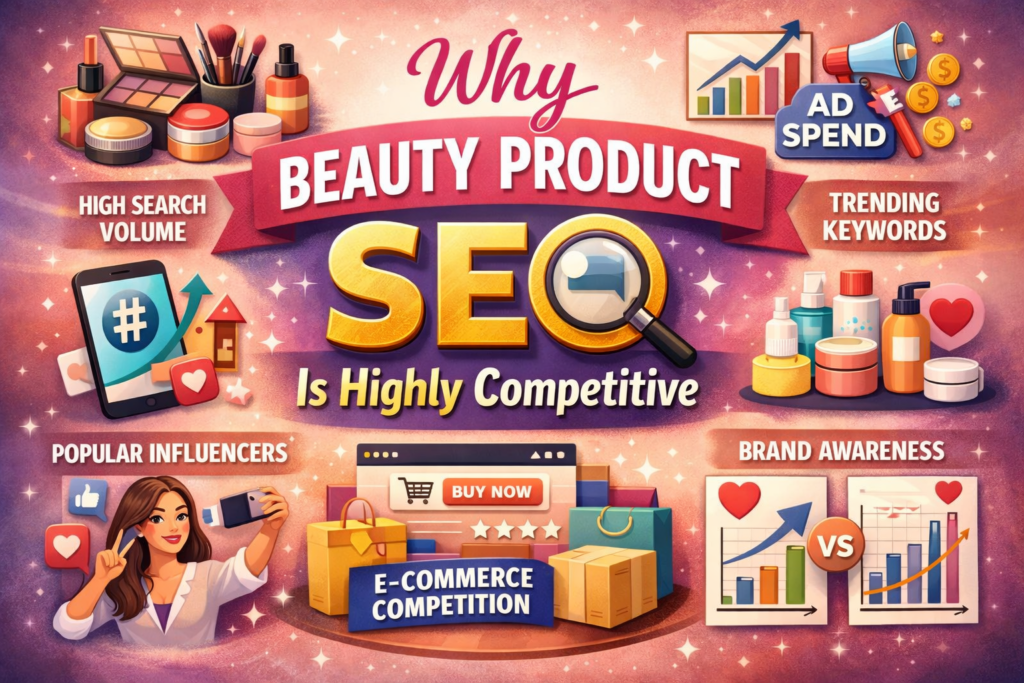

Beauty-related keywords attract:
- High commercial intent
- Strong brand loyalty
- Aggressive paid ads
That combination makes organic visibility extremely difficult, especially for product-based keywords.
What Makes This Case Study Different
Instead of chasing vanity keywords, the strategy focused on:
- Buyer intent
- Content depth
- Search experience alignment
And that changed everything.
Understanding the Brand – MelodySusie
Overview of MelodySusie in the Beauty Tools Market
MelodySusie specializes in nail care and beauty tools designed for both professionals and at-home users. Their product line includes electric nail drills, nail bits, manicure tools, and accessories.
Core Product Categories and Target Audience
The brand primarily targets:
- DIY nail art enthusiasts
- Professional nail technicians
- Salon owners looking for durable tools
Understanding this audience was crucial for keyword targeting.
Keyword Research Strategy for Beauty Products
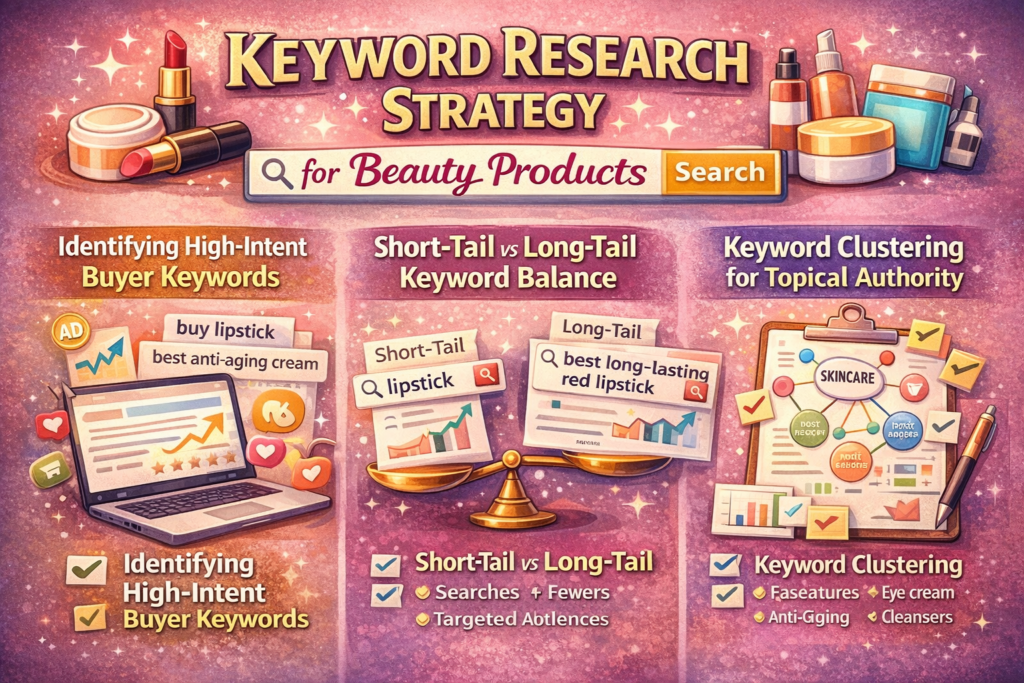
Identifying High-Intent Buyer Keywords
Instead of chasing traffic, the focus shifted to intent:
- “best nail drill for beginners”
- “professional nail drill for acrylic nails”
These keywords convert better—and rank faster.
Short-Tail vs Long-Tail Keyword Balance
Short-tail keywords built brand visibility.
Long-tail keywords delivered sales.
The magic happened in the middle.
Keyword Clustering for Topical Authority
Keywords were grouped into clusters like:
- Nail drills
- Nail bits
- Manicure tools
Each cluster supported a central pillar page.
The SEO Challenges Before Optimization
Low Keyword Visibility
Despite quality products, many pages were buried beyond page three. That’s practically invisible in search terms.
High Competition from Established Beauty Brands
Big brands dominated short-tail keywords like:
- “electric nail drill”
- “nail drill machine”
Issues with Search Intent Mismatch
Some product pages were optimized for keywords that didn’t match user intent—informational searches landing on transactional pages.
Competitor Analysis in the Beauty Niche
Mapping Top-Ranking Competitors
Top competitors were analyzed for:
- Content depth
- Page structure
- Internal linking
Content Gap Analysis
MelodySusie filled gaps competitors ignored—like beginner guides and troubleshooting content.
On-Page SEO Improvements
Optimizing Product Titles and Meta Descriptions
Titles were rewritten to:
- Include primary keywords naturally
- Emphasize benefits, not just features
SEO-Friendly Product Descriptions
Descriptions shifted from generic specs to:
- Use cases
- Pain points
- Real-world benefits
Internal Linking for Beauty Collections
Strategic internal links connected blogs to product pages, strengthening topical relevance.
Content Strategy That Drove Rankings
Blog Content Aligned with Beauty Search Intent
Blogs answered questions like:
- “How to choose the right nail drill”
- “Beginner mistakes in nail filing”
Educational vs Commercial Content Mix
Educational content built trust.
Commercial pages captured conversions.
Together, they created momentum.
Technical SEO Enhancements
Improving Site Speed and Core Web Vitals
Page speed improvements included:
- Image compression
- Script minimization
- Better hosting configuration
Mobile-First Optimization
Since most beauty searches happen on mobile, layouts were redesigned for thumb-friendly navigation.
Visual SEO and Image Optimization
Image Alt Text for Beauty Products
Each image included descriptive, keyword-relevant alt text—without stuffing.
File Size Compression and Lazy Loading
Faster load times meant better rankings and lower bounce rates.
Building Topical Authority in the Beauty Space
Nail Care and Beauty Tool Content Silos
Content was organized into clean silos:
- Nail drill guides
- Maintenance tips
- Product comparisons
Supporting Articles and FAQs
FAQ sections captured featured snippets and voice search queries.
Backlink Strategy and Digital PR
Earning Links from Beauty Blogs
Instead of mass outreach, the focus was on:
- Honest reviews
- Niche beauty blogs
Influencer Mentions and Reviews
Authentic influencer mentions helped build trust and natural backlinks.
Tracking Keyword Ranking Growth
Tools Used for SEO Tracking
Rank tracking tools monitored:
- Keyword movement
- SERP features
- Competitor shifts
Measuring Keyword Movement Over Time
Steady upward movement mattered more than overnight spikes.
Results Achieved
Keyword Ranking Improvements
- Multiple product keywords reached page one
- Long-tail keywords dominated top 3 positions
Growth in Organic Traffic and Conversions
Organic traffic increased steadily, and conversion rates improved due to better intent alignment.
Key Learnings from the MelodySusie Case Study
What Worked Best
- Intent-driven keyword selection
- Content depth over volume
- Strong internal linking
What Could Be Improved Further
- More video content
- Expanded international SEO
How This Strategy Can Be Applied to Other Beauty Brands
Scalability of the SEO Framework
This approach works for:
- Skincare brands
- Haircare tools
- Cosmetic accessories
Common Mistakes to Avoid
- Chasing high-volume keywords blindly
- Ignoring content structure
- Underestimating technical SEO
Conclusion
The MelodySusie case study proves one thing clearly: ranking beauty product keywords isn’t about tricks—it’s about alignment. When keyword intent, content quality, and technical SEO work together, rankings follow naturally.
In a competitive beauty market, the brands that win are the ones that educate first and sell second.
Frequently Asked Questions
Initial keyword movement appeared within 6–8 weeks, with stronger gains over 4–6 months.
Yes. They convert better and are easier to rank for compared to broad keywords.
Absolutely. Blogs build topical authority and support product rankings.
Yes. Beauty searches are highly visual, and optimized images improve both UX and rankings.
Yes. This framework works especially well for small and mid-sized brands.
Table of Contents
Popular Posts

-
 Affordable Technical SEO Audit for Small Business: A Complete Guide26 Jun 2025 Blog
 -
 How to Get an Affordable Technical SEO Audit for Small Business27 Jun 2025 Blog
 -
 The Ultimate Local SEO Audit Checklist for Startups28 Jun 2025 Blog
 -
 Local SEO Audit Checklist for Startups: A Beginner’s Guide28 Jun 2025 Blog
 -
 Top On-Page SEO Audit Steps for Service Websites Every Business Should Know29 Jun 2025 Blog
 -
 The Impact of On-Page SEO Audit Steps for Service Websites on UX01 Jul 2025 Blog
 -
 Technical SEO for WordPress: The Ultimate Beginner’s Guide01 Jul 2025 Blog
 -
 Technical Mobile SEO Audit Tips for Developers02 Jul 2025 Blog
Related Post