
Kaspersky.se Case Study: Ranking in Competitive Tech Niches
Kaspersky.se Case Study: Ranking in Competitive Tech Niches explores how Kaspersky.se successfully builds organic visibility in one of the most competitive technology sectors. The post breaks down real-world SEO strategies, including keyword targeting, content optimization, technical SEO, and trust-building techniques that help Kaspersky.se achieve strong rankings in the cybersecurity niche.
Table of Contents
Introduction – Why This Case Study Matters
Ranking in competitive tech niches is not for the faint-hearted. When you’re competing with global brands, authority publications, and aggressive affiliates, SEO becomes a long-term chess game rather than a quick sprint. This Kaspersky.se case study explores how a regional cybersecurity site can achieve visibility and authority in one of the most crowded digital markets.
The tech niche—especially cybersecurity—is brutally competitive. Keywords are expensive, audiences are skeptical, and trust is everything. Yet Kaspersky.se, the Swedish-facing site of Kaspersky, has managed to carve out strong organic visibility despite these challenges.
Understanding the Competitive Landscape of Tech SEO
Why Tech Niches Are So Difficult to Rank


Tech SEO is hard for three simple reasons:
- High keyword competition
- Strong domain authorities
- Fast-changing search intent
Add cybersecurity into the mix, and you’re fighting banks, governments, SaaS giants, and review sites—all at once.
Cybersecurity as a “Trust-First” Niche
In cybersecurity, users don’t just want information—they want reassurance. If your content doesn’t scream credibility, it simply won’t convert. That’s where established brands like Kaspersky already have an edge.
About Kaspersky.se – A Regional Powerhouse
Global Brand, Local Strategy
Kaspersky.se is not just a translated version of a global website. It’s a localized SEO asset, built to serve Swedish users with region-specific content, language nuances, and local intent.
Domain Authority and Brand Signals
Being part of a global brand gives instant authority—but authority alone doesn’t guarantee rankings. Google still demands relevance, quality, and user satisfaction, especially after recent core updates from Google.
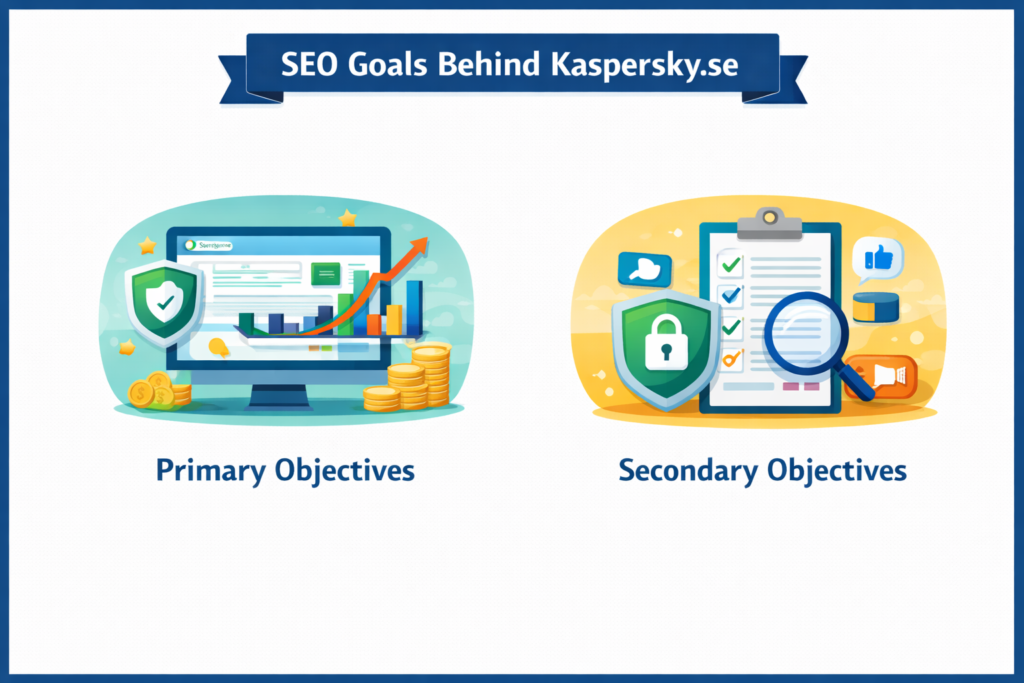
SEO Goals Behind Kaspersky.se
Primary Objectives
The SEO strategy focused on:
- Ranking for commercial cybersecurity keywords
- Building trust for informational queries
Supporting conversions for product-led page
Secondary Objectives
- Reduce dependency on paid ads
- Strengthen topical authority
- Capture long-tail search demand
Keyword Research Strategy That Actually Worked
Mapping Search Intent Carefully
Instead of chasing volume, Kaspersky.se focused on intent-driven keywords:
- “best antivirus for Windows”
- “how to remove malware safely”
- “internet security tips for families”
Each keyword was mapped to a specific user journey stage.
Informational vs Commercial Balance
The site maintained a healthy ratio:
- 60% informational content
- 40% product-focused and comparison pages
This balance helped avoid over-optimization penalties while still driving revenue.
Content Strategy – Quality Over Quantity
Educational Content as the Foundation
Kaspersky.se invested heavily in:
- How-to guides
- Cyber threat explainers
- Online safety tutorials
These pieces weren’t fluffy blog posts. They were deep, expert-backed resources written in plain language.
Product Pages That Don’t Feel Like Ads
Instead of aggressive sales copy, product pages focused on:
- Real-world use cases
- Clear benefits
- Simple explanations
That approach aligns perfectly with modern SEO and UX best practices.
On-Page SEO That Quietly Wins Rankings
Clean URL and Site Structure
The site uses:
- Logical URL hierarchies
- Clear category separation
- Minimal crawl depth
Search engines love clarity—and so do users.
Smart Use of Internal Linking
Every informational article subtly links to:
- Relevant product pages
- Related educational content
This creates a strong topical cluster, reinforcing authority across the domain.
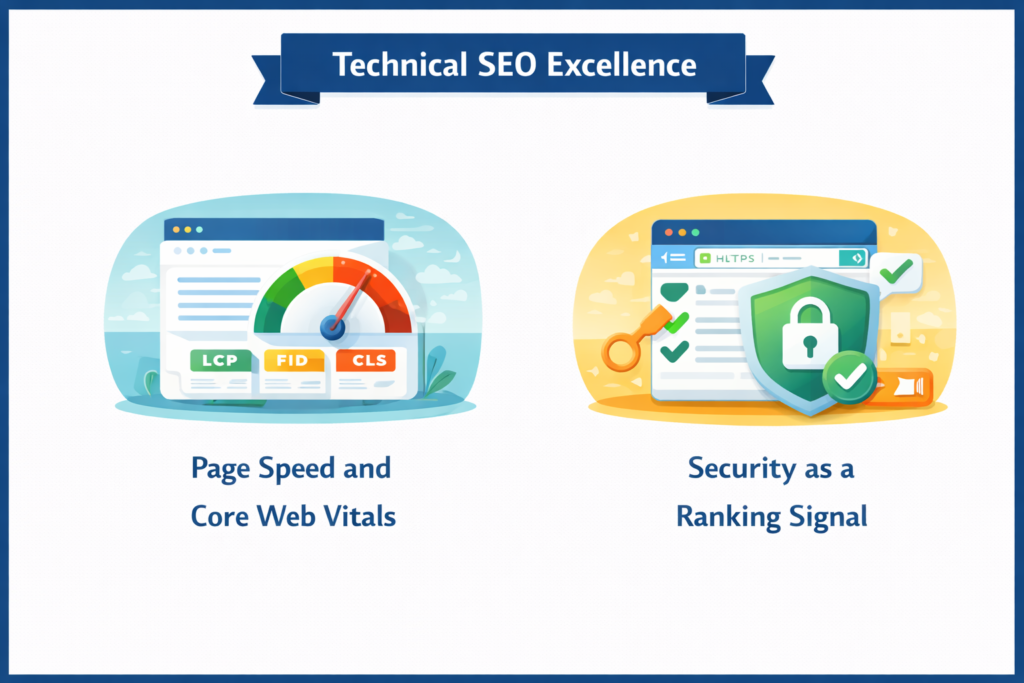
Technical SEO Excellence
Page Speed and Core Web Vitals
In tech niches, slow websites bleed rankings. Kaspersky.se performs strongly across:
- Mobile optimization
- Load speed
- Stability metrics
These signals are critical for competitive SERPs.
Security as a Ranking Signal
Ironically—and fittingly—the site practices what it preaches:
- HTTPS everywhere
- Clean scripts
- No intrusive popups
This enhances both trust and SEO performance.
Backlink Strategy – Authority Without Spam
Editorial and PR-Driven Links
Rather than buying links, Kaspersky.se benefits from:
- Media mentions
- Security research citations
- Industry partnerships
These links are natural, relevant, and powerful.
Local and Regional Signals
Swedish-language backlinks from:
- Tech blogs
- News portals
- Educational institutions
…helped reinforce regional relevance.
E-E-A-T in Action (Experience, Expertise, Authority, Trust)
Expert Authors and Transparency
Articles often feature:
- Named cybersecurity experts
- Clear editorial standards
- Updated timestamps
This aligns perfectly with Google’s quality guidelines.
Trust Signals Everywhere
From privacy policies to disclaimers, the site leaves nothing vague. Trust is built intentionally, not accidentally.
Also Read
How BIK BOK Benefits from Influencer and SEO Marketing
Why alao CH Benefits from Data-Driven Content Marketing Strategies
MMOGA DE: A Trusted Marketplace for Game Keys and Digital Products
The Accountancy Partnership: How It’s Transforming Modern Accounting Services
How Quinstreet Personal Loans (US) Helps Borrowers Compare Loans
Content Updates and Evergreen Optimization
Updating Old Content
Instead of constantly publishing new posts, Kaspersky.se:
- Updates existing articles
- Refreshes stats
- Improves readability
This strategy compounds SEO value over time.
Matching Fresh Search Intent
As threats evolve, so does content—ensuring relevance stays intact.
Measuring SEO Success
Organic Traffic Growth
Steady, sustainable growth beats short-term spikes. Kaspersky.se focuses on long-term visibility, not vanity metrics.
Keyword Ownership
Owning page-one positions for dozens of cybersecurity terms builds a moat competitors struggle to cross.
Key Takeaways for SEO Professionals
What You Can Learn from Kaspersky.se
- Build trust before chasing conversions
- Focus on intent, not just volume
- Invest in evergreen, expert-driven content
What Affiliates and Bloggers Can Apply
Even without a big brand:
- Niche down
- Be genuinely helpful
- Play the long game
SEO rewards patience.
Common Mistakes Kaspersky.se Avoided
No Keyword Stuffing
Every page reads naturally—because it’s written for humans first.
No Thin Content
There are no “filler” articles. Every piece serves a purpose.
Conclusion
The Kaspersky.se case study shows that ranking in competitive tech niches isn’t magic—it’s methodical. Through intent-driven keywords, authoritative content, technical excellence, and relentless focus on trust, the site has built sustainable organic visibility in one of the hardest industries online.
Whether you’re a global brand or a solo publisher, the lesson is clear: SEO success comes from credibility, consistency, and care.
Frequently Asked Questions
Because it attracts high-value advertisers, authoritative brands, and constant content production.
No. Authority helps, but relevance, content quality, and user experience still matter.
Yes—by targeting long-tail keywords, niche topics, and underserved search intent.
Extremely important. Trust and expertise directly impact rankings and conversions.
Focus on helping users first—rankings follow naturally.
Table of Contents
Popular Posts

-
 Affordable Technical SEO Audit for Small Business: A Complete Guide26 Jun 2025 Blog
 -
 How to Get an Affordable Technical SEO Audit for Small Business27 Jun 2025 Blog
 -
 The Ultimate Local SEO Audit Checklist for Startups28 Jun 2025 Blog
 -
 Local SEO Audit Checklist for Startups: A Beginner’s Guide28 Jun 2025 Blog
 -
 Top On-Page SEO Audit Steps for Service Websites Every Business Should Know29 Jun 2025 Blog
 -
 The Impact of On-Page SEO Audit Steps for Service Websites on UX01 Jul 2025 Blog
 -
 Technical SEO for WordPress: The Ultimate Beginner’s Guide01 Jul 2025 Blog
 -
 Technical Mobile SEO Audit Tips for Developers02 Jul 2025 Blog
Related Post